Ever wondered about the Urals Mountains on a world map? This ancient range holds immense geographical and historical importance, captivating explorers and map enthusiasts alike. Understanding its placement offers crucial insights into Eurasia's landscape. The Urals serve as a traditional boundary separating Europe and Asia, influencing climate, biodiversity, and human settlement for centuries. For anyone studying world geography, navigating trade routes, or simply curious about continental divides, pinpointing the Urals is essential. This guide provides a clear, concise overview, ensuring you can confidently locate and appreciate the significance of this iconic mountain chain. Explore its rich geology and cultural impact, making your next map interaction truly informed. Discover why the Urals remain a key reference point on any global map.
Most Reading PostWhere are the Urals Mountains located on a map?
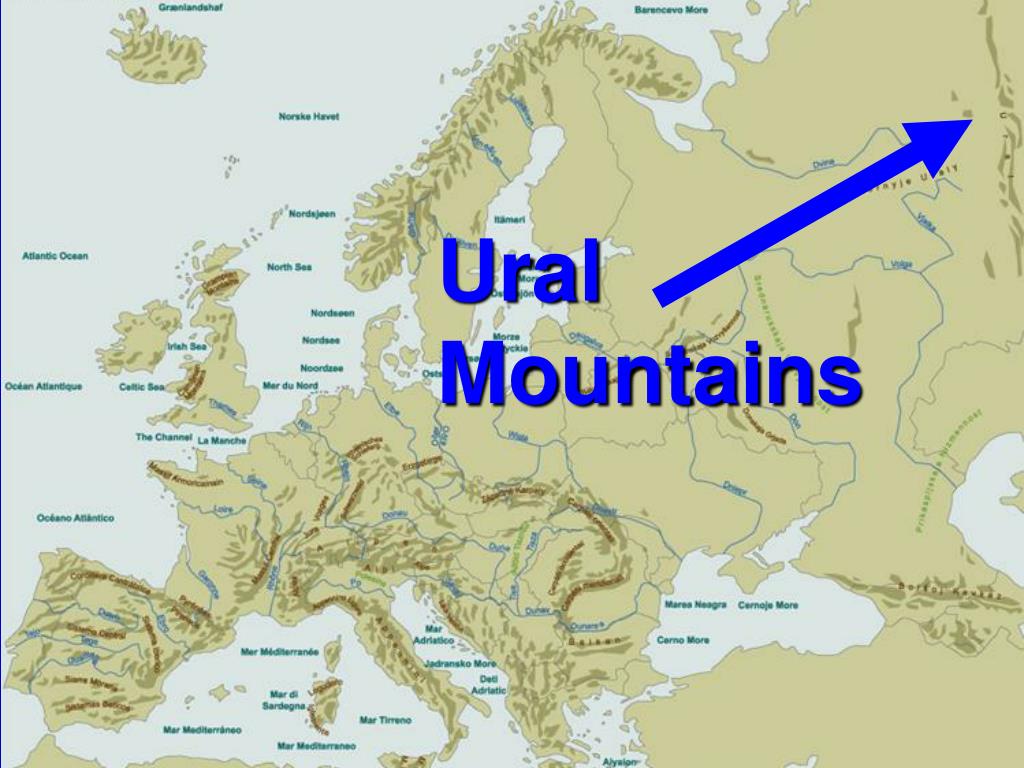
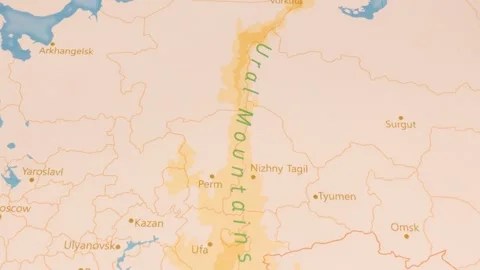
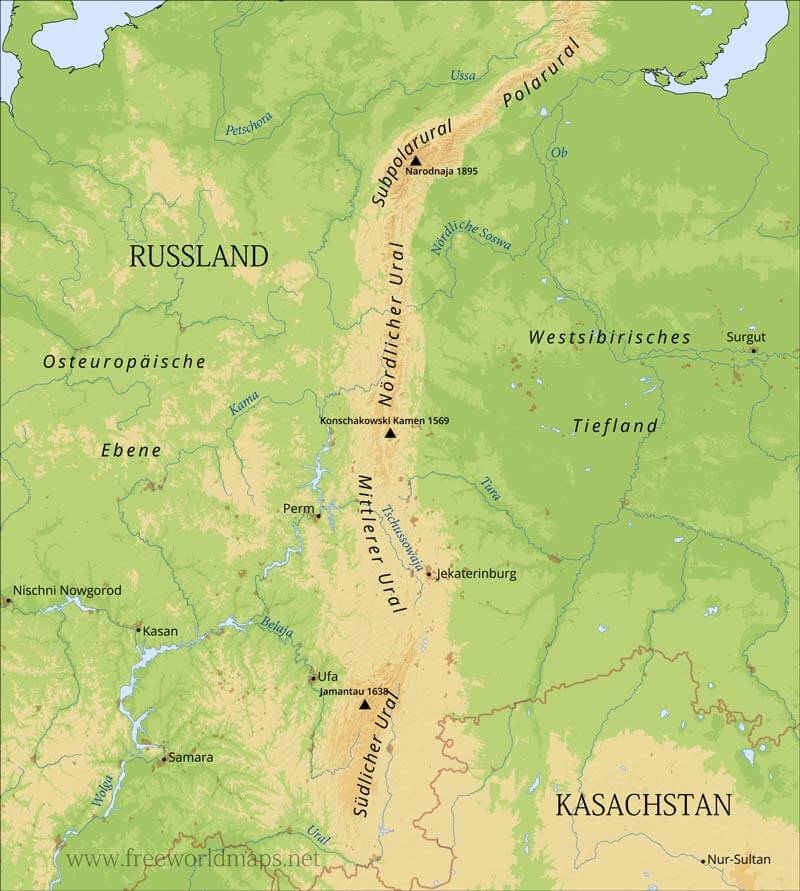
The Urals Mountains are a lengthy mountain range situated in western Russia. They stretch north-south from the Arctic Ocean to the Ural River and northwestern Kazakhstan. On a world map, they prominently divide the European and Asian continents.
What is the highest point in the Urals Mountains?
The highest peak in the Urals Mountains is Mount Narodnaya. It stands at an elevation of 1,895 meters (6,217 feet). While not as towering as other global ranges, it represents the loftiest point of this significant continental divide.
Do the Urals Mountains contain valuable resources?
Absolutely, the Urals Mountains are renowned for their extensive mineral wealth. They are a significant source of iron ore, copper, nickel, gold, and platinum. Additionally, precious stones like emeralds and amethysts are found, contributing to the region's historical industrial development.
Are the Urals Mountains geologically old or young?
The Urals Mountains are considered an ancient geological formation. They formed over 300 million years ago during the Uralian Orogeny, making them one of the oldest mountain ranges on Earth. This long history has led to significant erosion, resulting in their relatively modest height.
What role do the Urals Mountains play in separating continents?
The Urals Mountains serve as the traditional, natural boundary separating the continents of Europe and Asia. This demarcation is widely accepted geographically and culturally, even though the division is not strictly geological across its entire length. They offer a clear visual divide on a world map.
Is it possible to visit the Urals Mountains?
Yes, the Urals Mountains are accessible for travel and tourism. Many cities are located in the foothills, and transportation routes, including railways and highways, traverse the range. Visitors can explore natural parks, engage in hiking, or learn about the region's rich mining history.
Discovering the Urals Mountains on a world map helps us understand a crucial continental division. These ancient mountains stretch over 1,500 miles, running North to South through western Russia. They are traditionally considered the natural border between Europe and Asia, shaping history and culture. Pinpointing the Urals on a map reveals Russia's vastness and the diverse landscapes that define this unique region.
Understanding the Urals Mountains on a world map is more than just identifying peaks. It's about grasping their role in global geography and human history. These mountains are not exceptionally high, but they create a distinct barrier impacting weather patterns and ecosystems. Their strategic position has made them vital for trade and territorial claims throughout centuries.
The Urals Mountains on a world map are a fascinating study for geography students and travelers. They represent geological stability, formed over 300 million years ago. This range is particularly famous for its abundant mineral wealth, including significant deposits of iron, copper, and precious stones. Exploring their location helps contextualize Russia's vast industrial and mining history.
The Geographical Importance of Urals Mountains on World Map
The Urals Mountains on a world map are fundamentally important for several reasons. They define the eastern limit of the European continent and the western edge of Asia. This natural boundary has shaped historical migration, cultural exchange, and political divisions. Their presence influences river systems and climate, acting as a partial barrier to air masses.
Where are the Urals Mountains on a world map?
The Urals Mountains run vertically through western Russia, from the Arctic Ocean to the Ural River. They form a natural dividing line between Europe to the west and Asia to the east. When you look at Russia on a world map, these mountains are clearly visible as a long, narrow chain.
What is the significance of the Urals Mountains on a world map?
The Urals Mountains on a world map serve as a primary geographical marker. They delineate the traditional border between the continents of Europe and Asia. This range is also rich in mineral resources, historically vital for Russian industry and development. Understanding their location helps in comprehending regional geopolitics.
What natural resources are found in the Urals Mountains on a world map?
The Urals Mountains on a world map are renowned for their incredible mineral wealth. This includes vast deposits of iron ore, copper, nickel, and platinum. Precious stones like emeralds and amethysts are also found. These resources have fueled industrial growth in the surrounding Uralic region for centuries.
Do the Urals Mountains separate Europe and Asia on a world map?
Yes, the Urals Mountains on a world map are widely accepted as the conventional boundary separating Europe and Asia. This distinction is mostly geographical and cultural rather than geological. They provide a clear visual and physical demarcation across the vast Eurasian landmass.
How tall are the Urals Mountains on a world map?
The Urals Mountains on a world map are generally considered a low-to-medium height range. The highest peak, Mount Narodnaya, reaches approximately 6,217 feet (1,895 meters). While not as towering as other major ranges, their length and continuous nature make them significant.
Key Facts: Urals Mountains on World Map
| Feature | Description of Urals Mountains on World Map |
|---|---|
| Location | Western Russia, from Arctic to Kazakhstan |
| Length | Approximately 1,550 miles (2,500 km) |
| Continental Divide | Separates Europe (west) from Asia (east) |
| Highest Peak | Mount Narodnaya (1,895 meters / 6,217 feet) |
| Geological Age | Ancient, formed during the Uralian Orogeny (late Paleozoic) |
| Natural Resources | Iron, copper, nickel, gold, platinum, coal, emeralds, amethysts |
| Climate Impact | Acts as a partial climatic barrier, influencing weather patterns |
What Others Are Asking? Urals Mountains on World Map
Are the Urals Mountains an old mountain range?
Yes, the Urals Mountains are considered one of the Earth's oldest major mountain ranges. They formed during the late Paleozoic Era, over 300 million years ago, through a process called the Uralian Orogeny. This makes them significantly older than ranges like the Himalayas or the Alps.
What is the climate like in the Urals Mountains?
The Urals Mountains experience a varied climate due to their extensive north-south stretch. The northern parts have a subarctic climate with long, cold winters. Further south, the climate becomes more continental, featuring cold winters and warm summers. Precipitation is higher on the western slopes.
Can you travel through the Urals Mountains?
Yes, traveling through the Urals Mountains is common, with several major transportation routes crossing them. Railways and highways connect European Russia with Siberia. While some areas are remote, the range is generally accessible, supporting mining and logging industries as well as tourism.
What makes the Urals Mountains unique on a world map?
The Urals Mountains stand out on a world map primarily as the traditional continental boundary between Europe and Asia. Their ancient geology, significant mineral wealth, and role in shaping Russian history and development also make them unique. They are a long, low, and resource-rich range.
Do the Urals Mountains have any active volcanoes?
No, the Urals Mountains do not have any active volcanoes. They are an ancient, geologically stable mountain range, formed by continental collision millions of years ago. The tectonic activity that once created them has long since ceased, resulting in a landscape shaped by erosion.
FAQ: Urals Mountains on World Map
What are the Urals Mountains on a world map?
The Urals Mountains are a prominent mountain range located in western Russia. They run from the Arctic Ocean south to the Ural River and northwestern Kazakhstan. They are widely recognized as the natural border between Europe and Asia, a significant geographical feature.
Why are the Urals Mountains important to know on a world map?
Knowing the Urals Mountains on a world map is crucial for understanding global geography. They serve as a continental divide, influencing climate, biodiversity, and historical movements between Europe and Asia. Their rich mineral resources also play a key role in regional economies.
Who lives in the Urals Mountains region?
Millions of people live in the Urals Mountains region, predominantly Russians. Indigenous groups like the Bashkirs and Komi also reside there. Major cities like Yekaterinburg and Chelyabinsk are located in the foothills, driven by industries based on the mountains' resources.
How were the Urals Mountains formed?
The Urals Mountains were formed through a prolonged process of continental collision during the late Paleozoic Era, about 300 million years ago. This tectonic activity, known as the Uralian Orogeny, involved the closure of the ancient Uralian Ocean and the collision of continental plates.
Geographical divide between Europe and Asia. Rich in natural resources like minerals and metals. Influences climate and biodiversity. Significant historical and cultural landmark in Russia. Visually distinct on a world map for navigation.


Ural Mountains Location On World Map . Ural Mountains Kids Britannica Kids Homework Help 89941 050 51B0953D . Ural Mountains World Map . Urals Mountains World Map Ural Mountain . World Atlas The Mountains Of The World Ural Ural Ural


Ural Mountains On World Map Images One World Pinterest Map Ural Mountains World Maps . Gigantic Ancient Stone Structures Hidden In The Ural Mountains Uralstruct2 . Radar Basics How Radar Works Geography From Classroom To Campus Ural Mountains On World Map 1 768x432 . Urals World Map Wweucont . Ural Mountains Seismic Images IGCP Project 559 Crustal Fig3


Map Of Ural Mountains The Ural Mountains Of Russia Stretch 2500km North To South From The Arctic To The Border With Kazakhstan . Ural Mountains Location Uralides Location . Ural Mountains Location On World Map Major Mountain Ranges World Map 260nw 2610380015 . Has FIFA Determined How They Ll Position The Games Of Ural Mountains Map . Ural Mountains Location On World Map


Ural Mountains On World Map The Ural Mountains Span About 1500km From 54 To 66N The Four Study Regions Are . Map Of Ural Mountains Ru 01 . Ural Mountains Map What Continent Are The Ural Mountains In Ural Mountain Psf 16b388 1024 . Ural Mountains Map Ural Mountains Map World Geography . Ural Mountains On World Map


Ural Mountains Europe Map Ural Mountains L . Ural Mountains Map Location . Urals Mountains Map Color 2018 European Russia Topographic Map . Urals Mountains Map Europe . A Rotating Map Centered On Ural Mountain Stock Video Pond5 Rotating Map Rotating Map Centered Ural Mountains Footage 243447265 Iconl


Chapter 2 Plate Tectonics The Story Of Earth An Guide 2e Uraltopomap 1 . Urals World Map Savanna Style Location Map Of Urals . Ural Mountains Map Location High Detailed Russia Physical Map With Labeling . Ural Mountains Location On World Map Location Of Dyatlov Pass In Russia Map 700x517 . Ural Mountains Location On World Map



Ural Mountains On World Map Russia True Colour Satellite Image With Border And Mask E4DYTR . Ural Mountains Physical Map Ural . Urals Mountains Map 1 140 Ural Mountains Russia Stock Photos High Res Russia Relief Map With Border E4DYTP . Ural Mountains Location On World Map MapSSf . Ural Mountains Physical Map Russia Mountain Ranges 1024x544