Ever wondered about the Bay of Bengal location on the world map? This vital body of water is a significant part of the northeastern Indian Ocean, shaping global trade and climate patterns. For those in the United States curious about international geography or upcoming travel plans, understanding its precise placement is key. The Bay borders numerous South Asian and Southeast Asian nations, including India, Bangladesh, Myanmar, Sri Lanka, and Thailand. Its strategic position influences weather systems, including monsoon patterns, affecting millions. Navigating this region means comprehending its dynamic role in marine ecosystems and international relations. Discover its true impact and exact coordinates for your next global exploration. This informational guide offers insights crucial for any world map enthusiast or traveler. The Bay of Bengal truly stands as a crucial geographic feature in Asia.
Where can I find the Bay of Bengal on a world map?
The Bay of Bengal is clearly visible on a world map as a large indentation on the eastern side of India. It forms the northeastern part of the Indian Ocean, nestled between India's eastern coast and the Indochinese Peninsula. It's a significant geographical feature.Which major countries are adjacent to the Bay of Bengal?
The prominent countries bordering the Bay of Bengal include India to the west, Bangladesh to the north, and Myanmar (Burma) to the east. Sri Lanka is also very close to its southern reaches. Thailand and Indonesia border the Andaman Sea, an arm of the Bay.Why is the Bay of Bengal important for global trade routes?
The Bay of Bengal is crucial for global trade because it serves as a vital maritime corridor. It links the rapidly growing economies of Southeast and East Asia with the Middle East, Africa, and Europe. Countless cargo ships traverse its waters daily, carrying essential goods worldwide.What are the key geographical features of the Bay of Bengal region?
The Bay of Bengal is characterized by its large size and significant river deltas, like the Ganges-Brahmaputra Delta. It features numerous islands, including India's Andaman and Nicobar Islands, and is home to diverse marine life. Its coastline varies from sandy beaches to mangrove forests.How does the Bay of Bengal impact climate and weather patterns?
The Bay of Bengal is a major factor in regional weather. Its warm waters contribute to the development of tropical cyclones, which can be devastating. Critically, it also plays a key role in the South Asian monsoon system, bringing life-sustaining rainfall to large parts of the subcontinent annually.What kind of marine life can be found in the Bay of Bengal?
The Bay of Bengal supports a rich variety of marine life. It is home to numerous fish species, sharks, dolphins, and sea turtles. Coral reefs and mangrove forests provide habitats for diverse ecosystems. Conservation efforts are ongoing to protect its biodiversity.Are there any major environmental concerns affecting the Bay of Bengal?
Yes, the Bay of Bengal faces several environmental challenges. These include marine pollution from industrial and agricultural runoff, overfishing, and habitat destruction. Climate change also poses a threat through rising sea levels and increased frequency of extreme weather events, impacting coastal communities. Are you curious about the Bay of Bengal location on the world map? This immense body of water is much more than just a blue patch. It is a dynamic hub influencing climate, culture, and commerce across a huge part of Asia. Understanding where it lies helps us appreciate its global importance. The Bay of Bengal is a major arm of the northeastern Indian Ocean. It forms a rough triangle, bordering countries like India, Bangladesh, Myanmar, Sri Lanka, and Thailand. Its vast expanse stretches from the eastern coast of India to the Andaman and Nicobar Islands. Its waters are deep, connecting vital ports and shipping lanes. This incredible Bay of Bengal location plays a crucial role in global weather. It is a primary driver of the South Asian monsoon, bringing essential rain to millions. It also creates tropical cyclones that can impact coastal communities. Its warm waters are a source of life for diverse marine ecosystems. For shipping and trade, the Bay of Bengal is immensely significant. Many important shipping routes cross its waters, linking East Asia to Europe and Africa. Fishing industries thrive here, supporting livelihoods across bordering nations. Its strategic position makes it a geopolitical hotspot. Here is a quick overview of the Bay of Bengal location: Bay of Bengal Geographical Overview Location: Northeastern Indian Ocean Bordering Countries: India, Bangladesh, Myanmar, Sri Lanka, Thailand, Malaysia, Indonesia Major Rivers Flowing In: Ganges, Brahmaputra, Meghna, Irrawaddy, Godavari, Krishna Approximate Area: 839,000 square milesWhat Others Are Asking About the Bay of Bengal Location?
Where is the Bay of Bengal located on the world map?
The Bay of Bengal is a large bay forming the northeastern part of the Indian Ocean. It is situated between the Indian subcontinent to the west and the Indochinese peninsula to the east. It connects directly with the Andaman Sea. Its waters are a key feature of Asian geography.Which countries border the Bay of Bengal location?
Several countries share coastline with the Bay of Bengal. These include India, Bangladesh, Myanmar, and Sri Lanka. Thailand and Indonesia also have a border with the Bay, particularly through their islands in the Andaman Sea. These nations rely heavily on the Bay for trade and resources.What is the importance of the Bay of Bengal location?
The Bay of Bengal holds immense importance for several reasons. It is a major shipping route for international trade, connecting East and Southeast Asia to the Middle East and Europe. It also influences monsoon weather patterns crucial for agriculture in South Asia. Additionally, it supports rich marine biodiversity.What famous rivers flow into the Bay of Bengal?
Many prominent rivers from South Asia empty into the Bay of Bengal. The most famous include the mighty Ganges, Brahmaputra, and Meghna rivers, forming the world's largest delta. Other significant rivers are the Irrawaddy from Myanmar and the Godavari and Krishna from India. These rivers carry vast amounts of sediment.Is the Bay of Bengal dangerous for navigation?
While vital for navigation, the Bay of Bengal can be challenging. It is known for tropical cyclones, especially during pre-monsoon and post-monsoon seasons, which bring heavy winds and rain. Strong currents and dense shipping traffic also require careful navigation. Sailors must always stay alert.FAQ About the Bay of Bengal Location on the World Map
What is the Bay of Bengal?
The Bay of Bengal is a large, triangular bay and a northeastern extension of the Indian Ocean. It is a semi-enclosed sea that receives freshwater from major rivers. It plays a significant role in regional ecology and global weather systems.Where precisely is the Bay of Bengal located?
The Bay of Bengal is located to the east of the Indian subcontinent and to the west of Myanmar and the Malay Peninsula. It stretches south to an imaginary line connecting Sri Lanka to the northern tip of Sumatra, Indonesia. Its exact coordinates vary across its vast area.Why is the Bay of Bengal so significant globally?
The Bay of Bengal is globally significant due to its strategic maritime trade routes. It serves as a conduit for a large volume of international shipping. Furthermore, it is critical for the South Asian monsoon system, profoundly impacting climate and agriculture across a huge region.How does the Bay of Bengal affect regional weather?
This Bay of Bengal location is a hotspot for tropical cyclone formation. Its warm waters provide the energy for these powerful storms. It also plays a key role in generating the annual monsoon rains. These weather phenomena critically affect the lives of millions nearby.Who benefits most from the Bay of Bengal?
The countries bordering the Bay of Bengal benefit most directly. India, Bangladesh, Myanmar, and Sri Lanka utilize its waters for fishing, trade, and transportation. Global shipping and energy industries also benefit from its vital maritime routes. Its resources support diverse economies. Understanding the Bay of Bengal location on the world map reveals its profound impact. It is truly a cornerstone of South and Southeast Asian geography and global connectivity. From weather patterns to international trade, this Bay affects us all.The Bay of Bengal is a key northeastern Indian Ocean arm. It borders India, Bangladesh, Myanmar, and Sri Lanka. This region impacts global weather and trade significantly. Understanding its location helps grasp regional dynamics. It is a vital waterway for shipping and fishing. The Bay influences monsoon seasons across South Asia. Its geographical importance cannot be overstated.


Bay Of Bengal Political Map Com Bay Of Bengal Political Map . Bay Of Bengal Bayofbengal . Bay Of Bengal Location On The World Map Bay Of Bengal Location Map . Bay Of Bengal On World Map Where Is Myanmar Mappr Map Of The Bay Of Bengal Source Wwwd Mapscom See References . Bay Of Bengal Map Map Of The World Bay Of Bengal Maps Indian Ocean


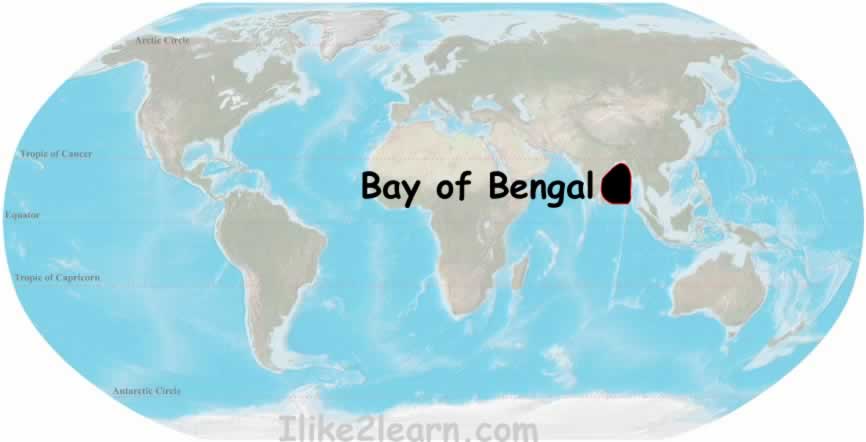

Bay Of Bengal On World Map Where Is Myanmar Mappr Bay Bengal Marked Red Circle 600nw 2315040485 . Bay Of Bengal World Map 220328 F YT915 004.JPG. Bay Of Bengal Location On World Map Location Of The Bay Of Bengal And Its Surrounding Countries . World Map Bay Of Bengal BayofBengal . Bay Of Bengal A Vital Hub Bay Of Bengal Political Map Part Of The Indian Ocean And Worlds Largest Bay Between Indian And Indochinese Peninsula 2XWRY7R


Bay Of Bengal Map Islands Location Image 20230128 144625 702 1568x978 . World Map Bay Of Bengal Geography Of Asia 13 728 . Bay Of Bengal Gray Political Map Part Of Indian Ocean Bay Of Bengal Gray Political Map Part Of Indian Ocean And Largest Bay Of The World 2XX53F2 . Bengal Bay Of Bengal Ganges Delta Sundarbans Facts Britannica Locator Map Bengal . World Map Bay Of Bengal Large Detailed Map Of Bay Of Bengal With Cities


Bay Of Bengal A Vital Hub Map Of The Study Area Bay Of Bengal BoB Surrounding Countries White Underlined . Map Of The Study Area Of The Bay Of Bengal Download Scientific Diagram Map Of The Study Area Of The Bay Of Bengal . World Map Bay Of Bengal 0.60721100 1530690414 Thirdpole1 . The Realistic Map Of Bay Of Bengal Stock Image Image Of Flag Realistic Map Bay Bengal World 280128941 . New Twist On An Old Ocean Circulation Theory NOAA Research McHPHADEN Ccmp Bay Of Bengal Press Release V3 A Map Inset


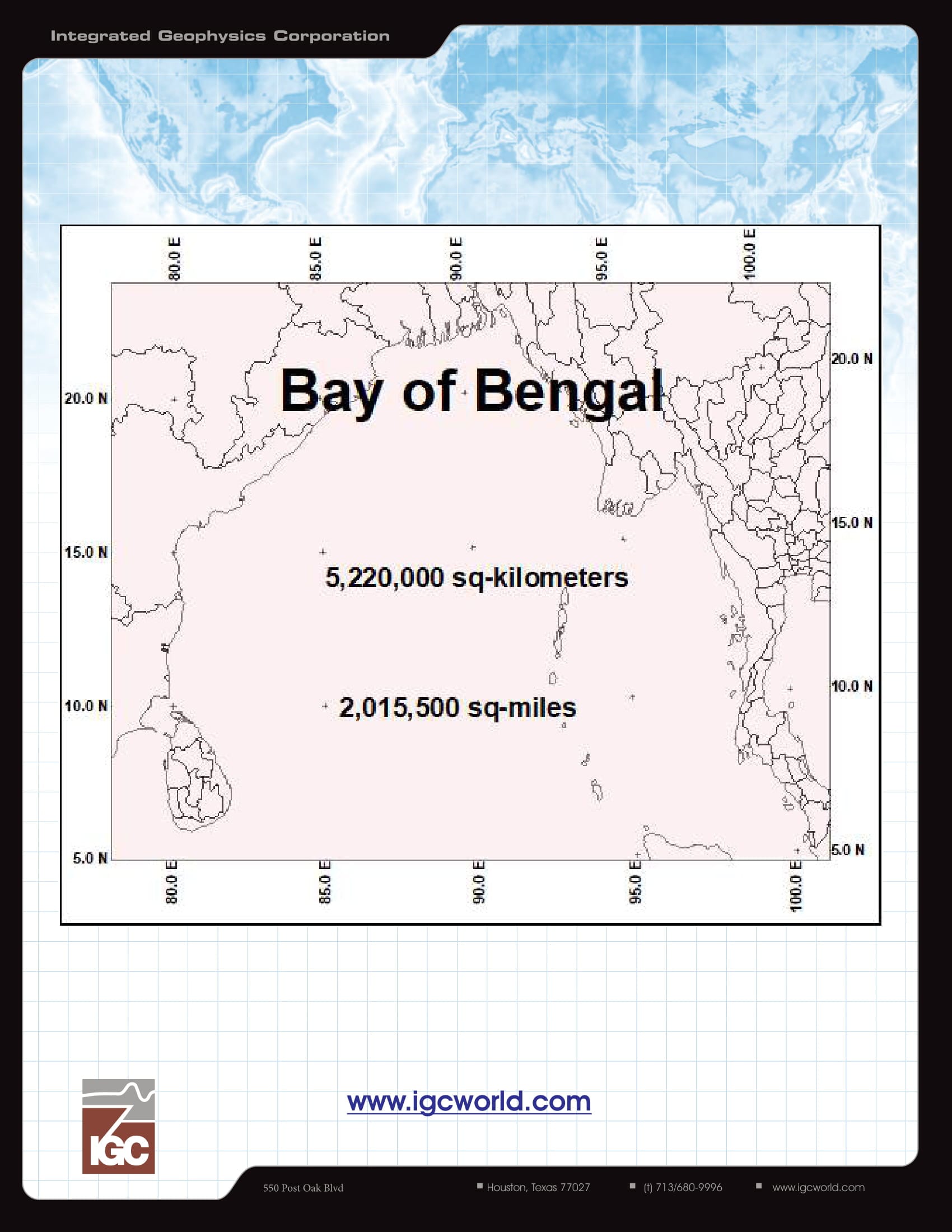
Bay Of Bengal World Map Earthquake In Bay Of Bengal . Bay Of Bengal Indian Ocean Climate Geography Britannica Arabian Sea Bay Of Bengal . Map Of Bay Of Bengal Showing Location Of Bangladesh Download Map Of Bay Of Bengal Showing Location Of Bangladesh Q640 . Bay Of Bengal Location Bay Of Bengal Map IJUJ Bay Of Bengal Project 1 638 . Bengal Bay Bay Of Bengal Index Map

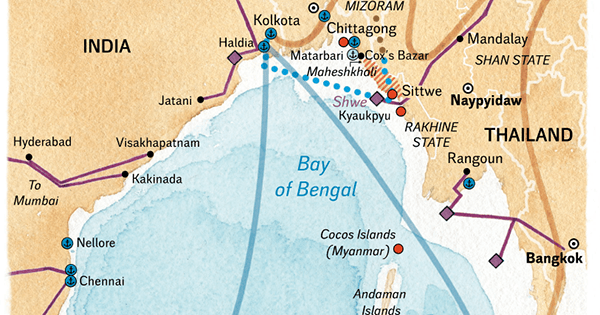


The Bay Of Bengal Should Be An Economic Superpower 20240720 ASM969 . Vying For Trade Routes In The Bay Of Bengal By Agn S Stienne Le Monde Map . Bay Of Bengal Map Islands Location Bay Of Bengal . Map Of The Major Geological Units Surrounding The Bay Of Bengal Taken Map Of The Major Geological Units Surrounding The Bay Of Bengal Taken From . Bay Of Bengal Location Map Geographic Economic Importance Bay Of Bengal.webp


86 Best Bay Of Bengal Images On Pholder Green Bay Packers Warship . Bengal World Map . Bengal Bay Bay Of Bengal2 . Bengal World Map Location Of Bangladesh On The World Map India Surrounds Bangladesh On Three Sides East . Strategic Of Bay Of Bengal And Bangladesh S Act Of Bay Of Bengal