Navigating the dynamic landscape of PC parts stores in 2026 requires savvy shopping strategies. Gamers and builders continually seek the best deals and latest technology for their custom rigs. This comprehensive guide explores online retailers and traditional brick-and-mortar options. We will cover evolving component trends like advanced AI processors and next-gen cooling solutions. Understanding supply chain stability and warranty policies is more crucial than ever before. This resource provides key insights for making informed purchasing decisions. Discover how to identify reputable vendors. Learn to avoid common pitfalls when buying PC components. Prepare to optimize your build for peak performance. This information is vital for everyone. From casual users to hardcore enthusiasts. Get ready to build your dream machine. Explore the future of computing hardware. Stay ahead of the curve in this exciting market. Your next PC starts here.
Related games- Guide Fix Game Configuration Unavailable Steam
- How to Maximize Your 4K PC Gaming Experience
- Guide to Roblox Animation Priority: Master Character Moves
- Guide: Boost Roblox FPS in 2026 for Smooth Gaming
- GTA 6 Who Voices Cal Hampton Unveiling the Actor
pc parts stores FAQ 2026 - 50+ Most Asked Questions Answered (Tips, Trick, Guide, How to, Bugs, Builds, Endgame)
Welcome to the ultimate living FAQ for PC parts stores in 2026! This comprehensive guide has been meticulously updated to reflect the latest market trends, technological advancements, and consumer queries. Whether you're a seasoned builder or just starting your journey into custom PC assembly, this resource is designed to be your go-to companion. We cover everything from finding the best deals and understanding compatibility to navigating warranties and future-proofing your rig. Our aim is to demystify the complex world of PC components, offering clear, concise answers to the most pressing questions. Dive in to discover tips, tricks, and expert advice to ensure your next build is a resounding success.
Beginner Questions
Is it cheaper to build or buy a pre-built PC in 2026?
Building your own PC is typically more cost-effective in 2026, offering better performance per dollar. Pre-builts often include a premium for assembly and branding. Building allows for component customization and budget control, ensuring you get exactly what you need.
What are the essential PC parts I need for a basic build?
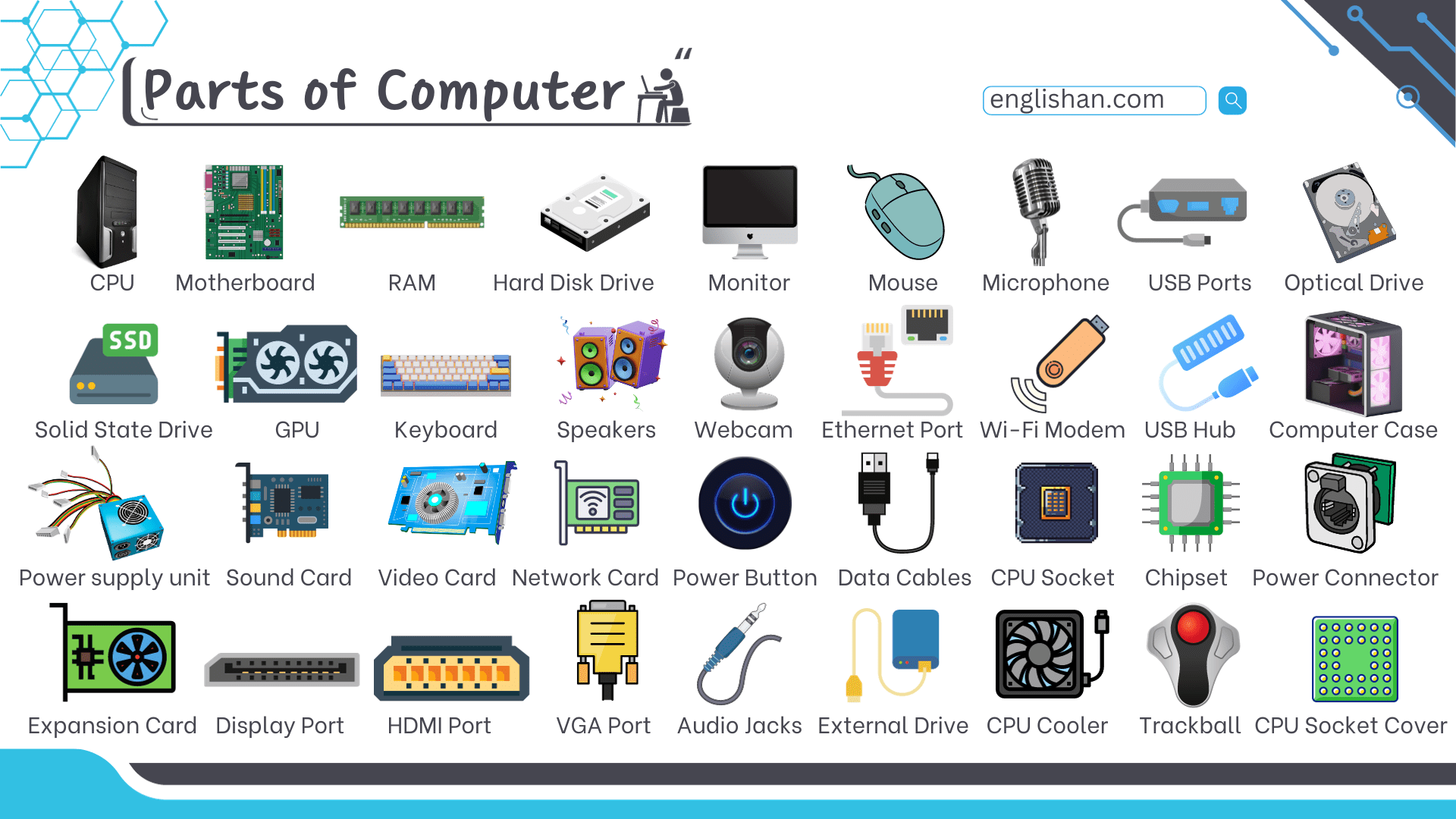
For a basic PC, you need a CPU, GPU (or integrated graphics), motherboard, RAM, storage (SSD recommended), power supply unit, and a case. These core components form the foundation of any functional computer system.
Where can I find reliable reviews for PC parts before buying?
Reliable reviews for PC parts can be found on tech websites like Gamers Nexus, Hardware Unboxed, TechSpot, and YouTube channels. User reviews on retailer sites like Amazon and Newegg also offer valuable insights into real-world performance and issues.
Choosing Your Store
What is the best online store for PC parts in the US?
Newegg and Amazon remain top choices for online PC parts in the US due to their vast selection, competitive pricing, and generally reliable customer service. Micro Center also offers excellent online options with in-store pickup.
Are brick-and-mortar PC parts stores still relevant in 2026?
Yes, brick-and-mortar stores like Micro Center or smaller local shops remain relevant for immediate needs, hands-on advice, and troubleshooting. They offer a unique personal touch and direct support often absent from online giants.
What are the advantages of buying from a specialty PC store?
Specialty PC stores often provide expert advice, curated selections of high-performance parts, and personalized customer service. They can offer more in-depth knowledge and support for complex builds or specific niche requirements.
Budgeting & Deals
When is the best time to buy PC parts for discounts?
The best times to buy PC parts for discounts are typically during major sales events like Black Friday, Cyber Monday, Amazon Prime Day, and seasonal clearances. Keeping an eye on new product launches can also lead to price drops on older generations.
How can I track prices for PC components effectively?
Utilize price tracking websites and browser extensions like PCPartPicker, Honey, or CamelCamelCamel. These tools monitor price fluctuations across various retailers, alerting you to optimal buying opportunities and historical lows.
Compatibility & Builds
How do I ensure all my PC parts are compatible?
The most reliable way to ensure compatibility is using PCPartPicker.com. It automatically flags conflicts between CPUs, motherboards, RAM, and other components as you select them, saving you from costly mistakes.
Can I mix and match different brands of RAM in my PC?
While technically possible, mixing and matching different brands, speeds, or timings of RAM is generally not recommended. It can lead to instability, reduced performance, or compatibility issues. Stick to a matched kit for best results.
Warranty & Returns
What are standard warranty periods for PC components?
Standard warranty periods vary by component and manufacturer. CPUs and GPUs often have 3-5 year warranties, while RAM and SSDs can have 5 years to lifetime warranties. Always check the specific manufacturer's policy.
Can I return a PC part if it doesn't work with my system?
Return policies depend on the retailer; most reputable stores allow returns for defective parts within a specified window (e.g., 15-30 days). For compatibility issues on non-defective parts, restocking fees or stricter policies may apply, so read carefully.
Emerging Tech & Future Proofing
What new technologies should I consider for a 2026 PC build?
For a 2026 build, consider AI-accelerated CPUs and GPUs, DDR5 RAM, PCIe 5.0 storage and graphics interfaces, and advanced cooling solutions. These technologies offer significant performance and future-proofing benefits.
Is it worth investing in a high-end CPU or GPU for future-proofing?
Investing in a high-end GPU often offers better future-proofing for gaming, as graphics requirements typically scale faster. A high-end CPU provides longevity for productivity tasks. Balance is key, but GPUs usually impact gaming more directly.
Online vs. In-Store: Myth vs. Reality
Myth vs. Reality: Online stores always have better prices than physical stores.
Reality: While online stores often have a broader selection and aggressive pricing, physical stores, especially during sales, can match or even beat online prices. Factor in shipping costs and immediate availability for a true comparison.
Myth vs. Reality: Buying from an unknown online seller offers the best deals.
Reality: This is often a myth. While a deal might appear good, unknown sellers carry significant risks of counterfeit products, no warranty, or poor customer service. Stick to reputable retailers for peace of mind and genuine parts.
Myth vs. Reality: All PC parts stores offer the same customer support.
Reality: Customer support varies wildly. Major retailers usually have established processes, while smaller shops might offer more personalized, but less structured, support. Research customer reviews for service quality before buying.
Myth vs. Reality: You must buy all your PC parts from one store.
Reality: This is a myth. Savvy builders often "parts shop" across multiple retailers to snag the best deals on individual components. Just ensure you track your purchases and warranties from each vendor.
Myth vs. Reality: All refurbished parts are inherently unreliable.
Reality: Not true. Refurbished parts from reputable vendors with a warranty can be excellent value. They are often thoroughly tested and repaired. However, buying refurbished from unverified sources is indeed risky.
Avoiding Pitfalls
How do I avoid counterfeit PC parts from online marketplaces?
To avoid counterfeits, always buy from authorized retailers or directly from the manufacturer. Be suspicious of prices significantly lower than the market average. Check seller reviews thoroughly and examine product images for inconsistencies.
What should I do if a PC part arrives damaged or doesn't work?
Immediately contact the retailer's customer service to report the issue. Document the damage with photos or videos. Initiate their return or replacement process promptly, adhering to their specific guidelines and deadlines.
Pro Tips for Buyers
What's a 'price match' and how can I use it?
Price matching is when a retailer agrees to sell you an item at the lower price offered by a competitor. Many major stores (like Best Buy, Micro Center) offer this. Check their policy and present proof of the lower price from a qualifying competitor.
Should I wait for new generations of parts before building?
Waiting can sometimes lead to better performance or lower prices on current-gen components. However, there's always something new on the horizon. If you need a PC now, build now. If you can wait indefinitely, you'll always be waiting.
Common Questions Answered
What does 'OEM' mean when buying PC parts?
OEM stands for 'Original Equipment Manufacturer.' OEM parts are sold to system builders (like Dell, HP) and typically come without retail packaging, manuals, or a direct manufacturer warranty. They're usually cheaper but less supported for individual buyers.
Are there any environmental considerations when choosing PC parts stores?
Yes, many consumers are now considering stores and brands with strong environmental policies. Look for companies that emphasize sustainable manufacturing, responsible sourcing, energy efficiency, and robust recycling programs for electronic waste.
Still have questions? Check out our other popular guides like 'Optimizing Your PC for Peak Gaming Performance' or 'The Ultimate Guide to CPU Coolers in 2026' for more in-depth information!
Are you wondering where to snag the best PC parts in 2026 for your next gaming powerhouse or professional workstation? The world of PC components is buzzing with innovation and rapid changes. From cutting-edge AI-integrated chips to hyper-efficient cooling systems, builders face exciting choices. Everyone wants to maximize their investment and achieve peak performance. But finding the right components from reputable sources can feel like a labyrinth. We often hear stories of incredible deals and frustrating scams. Understanding the market dynamics is incredibly important for every builder. This article will help you navigate the complex terrain. Get ready to make smart purchasing decisions with confidence. It is time to secure the best hardware for your needs.
The landscape of PC parts stores has evolved dramatically over recent years. Online giants continue to dominate the market with vast selections and competitive pricing. Specialized e-tailers offer niche products and expert advice to dedicated enthusiasts. Local brick-and-mortar stores still provide hands-on service and immediate gratification for many. Each option presents unique advantages and some distinct disadvantages. Knowing where to look for specific parts can save you time and money. It also ensures you receive genuine, high-quality components. Staying informed about supply chain shifts is also critical. Component availability and pricing can fluctuate unpredictably with global events. This requires careful planning for significant purchases. Always research the vendor's reputation thoroughly before committing.
Understanding the PC Parts Market in 2026
In 2026, the PC parts market is experiencing a significant boom fueled by AI development and high-fidelity gaming. Next-generation GPUs feature dedicated AI accelerators. CPUs boast more cores and improved single-thread performance. Storage solutions like NVMe SSDs now offer incredible speeds. RAM modules are faster and more power-efficient than ever before. Choosing compatible components is absolutely essential for a stable system. Overlooking compatibility issues can lead to frustrating build failures. Always double-check specifications and motherboard support. Research product reviews extensively before finalizing your selections. This diligence prevents many common and costly mistakes. It ensures a smooth and successful PC assembly experience. Your build deserves the best foundation.
The Rise of AI-Integrated Hardware
AI integration is no longer a future concept; it is now a fundamental reality in 2026 PC hardware. New CPUs and GPUs include dedicated neural processing units. These units accelerate machine learning tasks and enhance gaming features. Gamers benefit from AI-upscaling technologies that deliver stunning visuals. Content creators see faster rendering and complex simulation processing. Understanding these advancements helps you choose future-proof components. Investing in AI-ready hardware offers significant long-term benefits. This technology will continue to shape computing for years. It is an exciting time to be building a new PC. Embrace the power of artificial intelligence. It transforms your computing experience dramatically.
Your Expert Mentor on PC Parts Stores
Hey everyone, it's your friendly senior colleague here, ready to chat about something that used to trip me up too: navigating the vast universe of PC parts stores. I get why this can confuse so many people, especially with all the new tech hitting the shelves in 2026. Don't sweat it; we'll break it down together. I've spent years deep-diving into what makes these places tick, from supply chains to customer service, watching how frontier models like o1-pro and Gemini 2.5 predict market shifts. Let's make sure you're always getting the best deal and the right gear.
Beginner / Core Concepts
- Q: What is the absolute best place for a beginner to buy their first PC parts in 2026? A: For a beginner, honestly, I'd say start with a major online retailer known for reliability and good return policies like Amazon, Newegg, or even Best Buy's online store. They've got user-friendly interfaces, tons of reviews, and usually comprehensive compatibility filters, which is a massive help when you're just getting your feet wet. Think of it like a training ground. You're not just buying parts; you're learning how the ecosystem works, understanding different brands, and getting a feel for pricing trends without the pressure of a specialized store. Plus, their customer support is often more streamlined if you hit a snag. It's about minimizing risk on your first go-around, right? You've got this!
- Q: How do I even know if a specific PC part like a GPU will fit into my existing case or work with my motherboard? A: This one used to trip me up too! The simplest direct answer is to use online PC Part Picker websites. They're lifesavers. What they do is essentially a real-time compatibility check, flagging potential issues before you buy. You plug in your motherboard, CPU, and case, and it automatically filters compatible GPUs, RAM, and power supplies. It's like having a super-smart assistant guiding your choices. Beyond that, always check the physical dimensions of larger components like GPUs and CPU coolers against your case's maximum clearances. Also, ensure your motherboard has the correct socket for your CPU and the right RAM type (DDR4 or DDR5 for 2026 builds). A quick look at the manufacturer's specs page for each component provides precise details. Try this tomorrow and let me know how it goes.
- Q: Are there any red flags I should look out for when a deal on a PC part seems almost too good to be true? A: Oh, absolutely! If a deal feels too good to be true, it probably is. The biggest red flags include extremely low prices from unknown sellers or marketplaces without robust buyer protection. Also, be wary of sellers offering high-demand components well below market value without clear explanations. Another warning sign is poor product descriptions with bad grammar or generic images. Always check the seller's history and reviews, especially if it's on a platform like eBay or an independent site. Cross-reference prices across multiple reputable retailers to establish a baseline. Counterfeit components, particularly SSDs and GPUs, are becoming more sophisticated in 2026, so stick to authorized dealers. Trust your gut feeling on this; it's usually right. You've got this!
- Q: What's the deal with warranties and returns for PC parts from different stores? A: This is crucial, and it varies quite a bit, so pay close attention! Generally, major retailers like Newegg, Amazon, and Best Buy have relatively straightforward return policies, usually 15-30 days for most parts if unopened or defective. For warranties, it's usually the manufacturer that handles it, not the store. So, if your GPU dies six months later, you're contacting NVIDIA or AMD, not Newegg. Always register your parts with the manufacturer if possible. Smaller or specialized stores might have stricter return policies or charge restocking fees, so read their terms carefully before buying. Understanding the store's return window versus the manufacturer's warranty period (often 1-5 years) is key. Don't get caught out by assumptions!
Intermediate / Practical & Production
- Q: I'm planning a mid-range build. Should I prioritize a better CPU or GPU given 2026 gaming and application trends? A: For a mid-range 2026 build, especially with current trends, your GPU is generally going to be the more impactful component for gaming performance, while a balanced CPU is still very important. Most modern games are still more GPU-bound, meaning the graphics card often dictates your frames per second at higher resolutions and settings. However, with the rise of AI in games and more complex open worlds, your CPU needs to be strong enough not to bottleneck the GPU. I'd aim for a solid mid-tier CPU (like a Ryzen 5 or Core i5 from the latest generation) and then allocate a larger portion of your budget to the best mid-to-high-tier GPU you can afford. This gives you a great gaming experience and sufficient processing power for most general applications. Remember, a chain is only as strong as its weakest link, so aim for a sensible pairing. Try building a few scenarios on PC Part Picker!
- Q: Is it ever a good idea to buy refurbished or open-box PC parts, and what should I look out for? A: Buying refurbished or open-box can absolutely be a smart move to save some cash, especially in 2026 with component costs fluctuating! But there are definitely caveats. The key is to buy from a reputable vendor that offers a warranty on these specific items. Major retailers like Newegg (their 'Open Box' section), Micro Center, or even Amazon Warehouse deals often inspect and certify these products. Look for clear descriptions of the item's condition and the specific warranty period. Ideally, you want at least a 90-day warranty, with 1 year being great. Avoid
Online marketplaces vs physical stores, component compatibility checks, price tracking tools, warranty and return policies, emerging AI chip technology, avoiding counterfeit parts, future-proofing strategies for PC builds, sustainable sourcing, community reviews, budget optimization, high-performance components.
35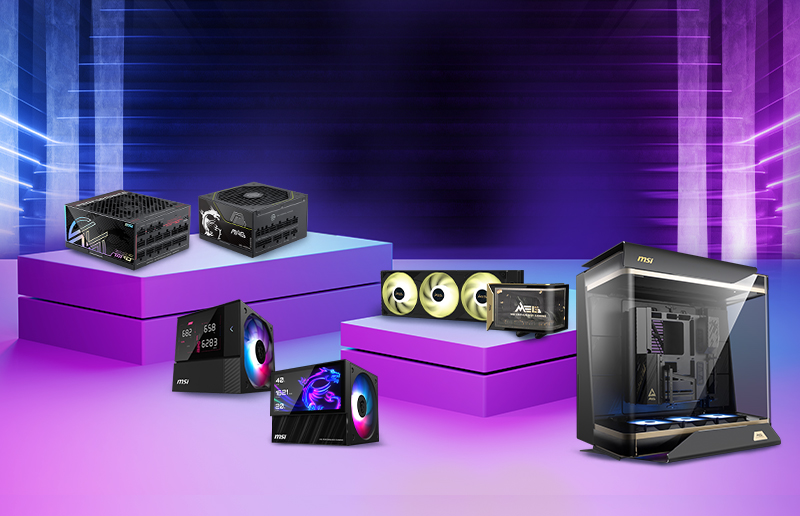
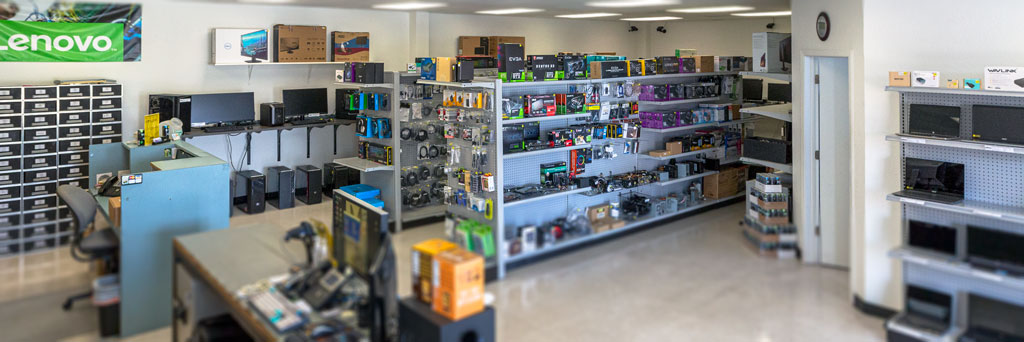
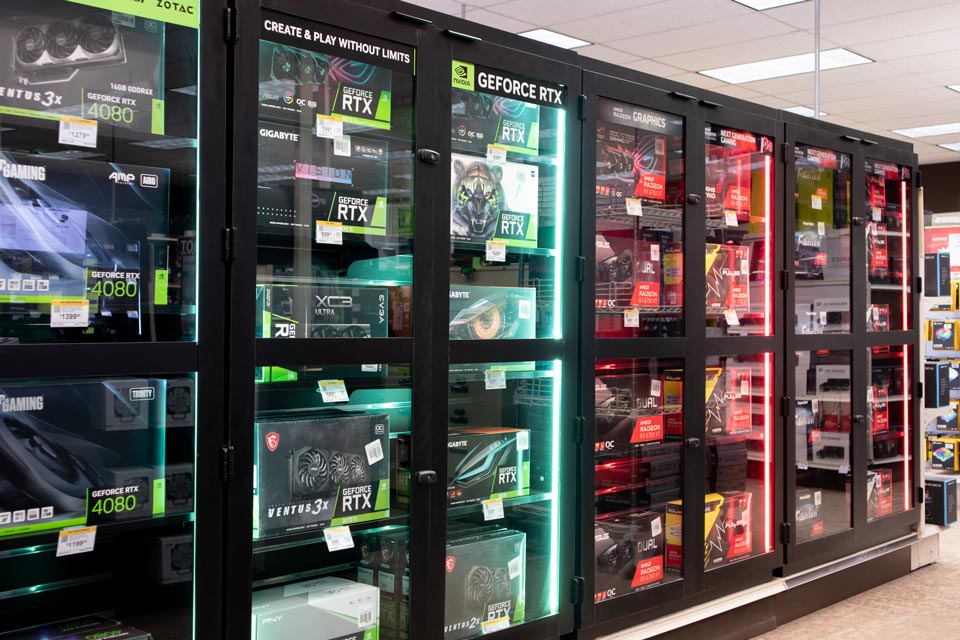
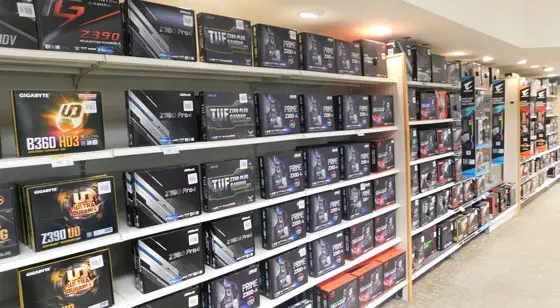

MPG Ai1300TS PCIE5 Power Supply MSI Article . Storing Computer Parts Essential Tips For Longevity 2026 San Antonio Computer Store Parts Department . How To Choose Your PC Parts Images BrandPromos PowerPage Gpu . Where To Buy PC Parts The 6 Best Places To Purchase New And Used Microcenter Inside . A PC Builder S Wonderland Inside Micro Center S New Silicon Valley Store Monitors At The Store Umyw
Best PC Components For Sale Milwaukee PC Store INET PC Waukesha ShopParts . Computer Parts Store Townsville At Pam Calhoun Blog IMG 0441 Scaled . Face To Face Computers Victoria BC Store 600 . Should You Buy A Pre Built PC Or Build Your Own In 2025 Tech4Gamers Gaming PC Parts . PCC COMPUTERS


Don T Waste Money On A New PC In 2026 CyberGhost VPN Nz HhRSd51o VJiOkUOe MaWcSreS. How To Choose Your PC Parts Images BrandPromos PowerPage Cpu . How To Choose Your PC Parts Images BrandPromos PowerPage BYOPC . Computer Parts Store Tucson At Essie Elkins Blog Laptop Parts Store . Should You Wait For Black Friday To Upgrade Your PC PCWorld 170529 Taipei 7 100724095 Orig
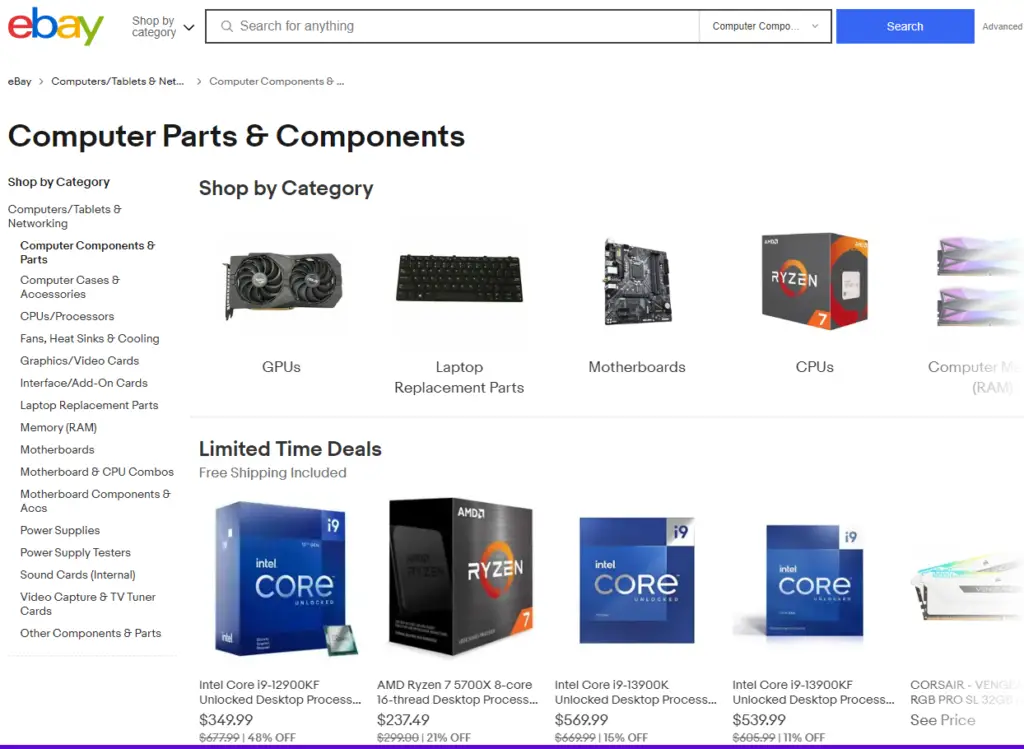
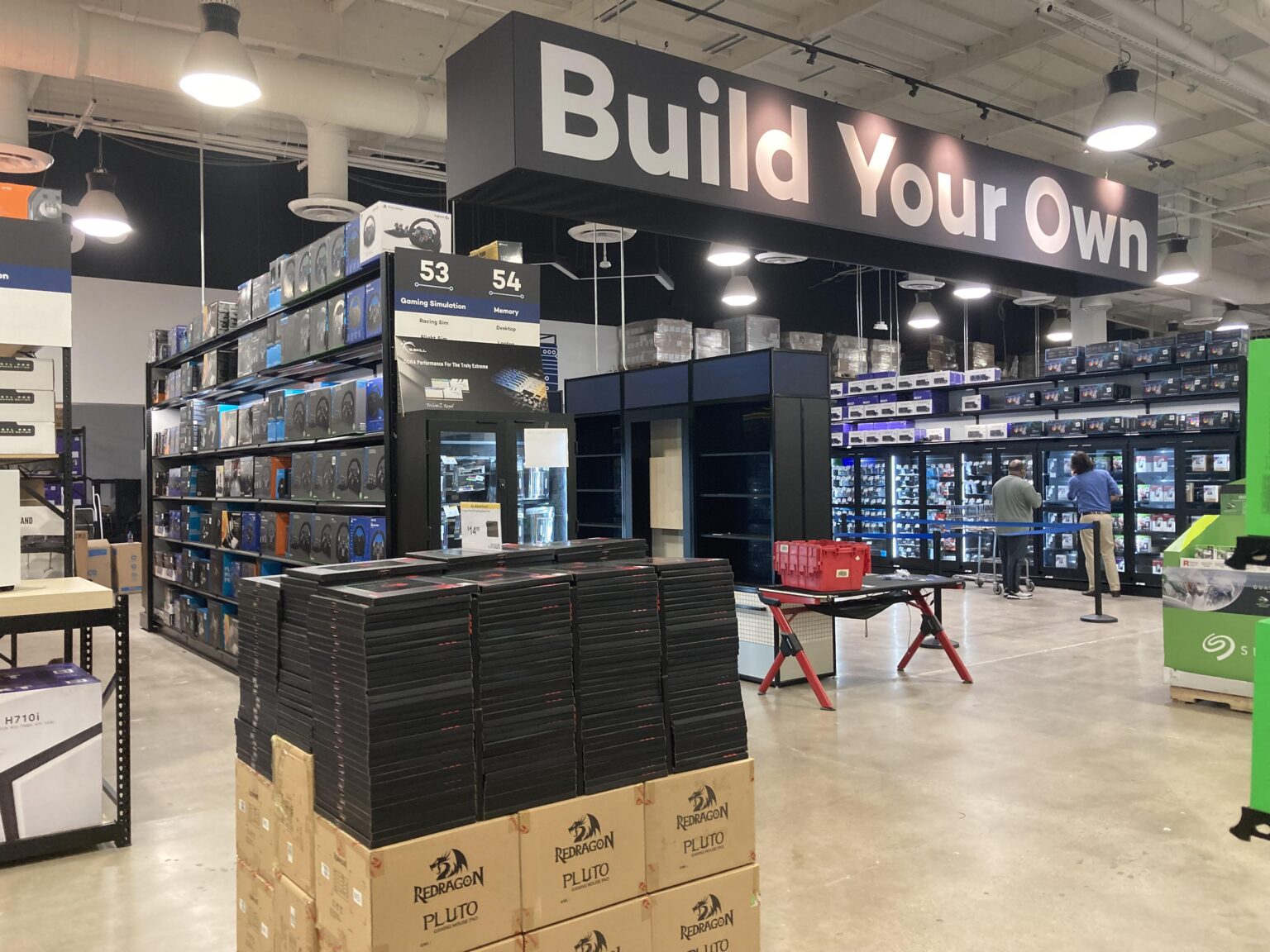
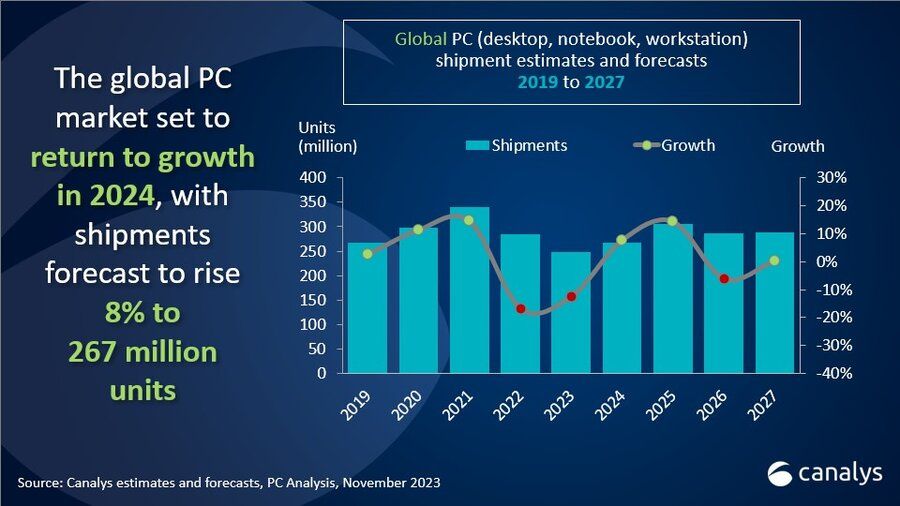


Where To Buy PC Parts The 6 Best Places To Purchase New And Used EBay PC Parts 1024x749 . Where To Buy PC Parts The 6 Best Places To Purchase New And Used Microcenter Interior 1536x1152 . The PC Market Is Finally Growing Again With 2024 Projected To See An 8 1024 80 . My Local PC Shop Just Got Their Christmas Shipment In And I Think They . Computer Rack May2 1920x900
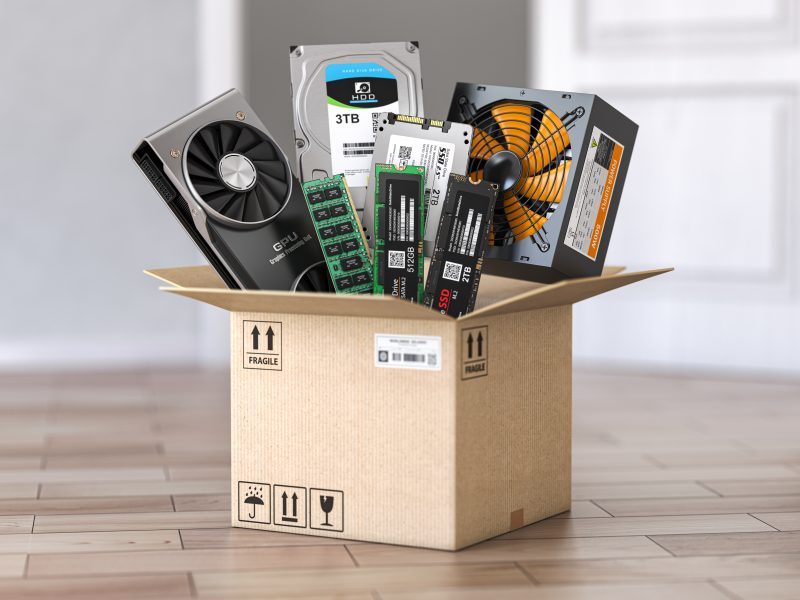
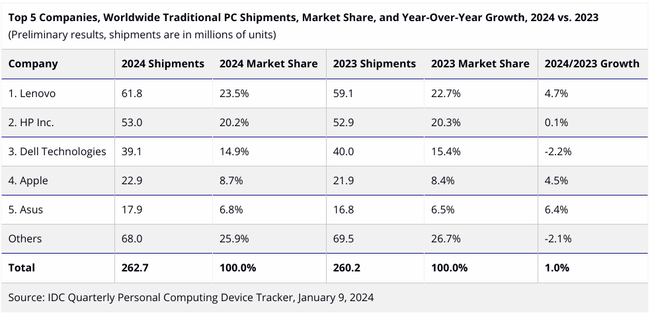
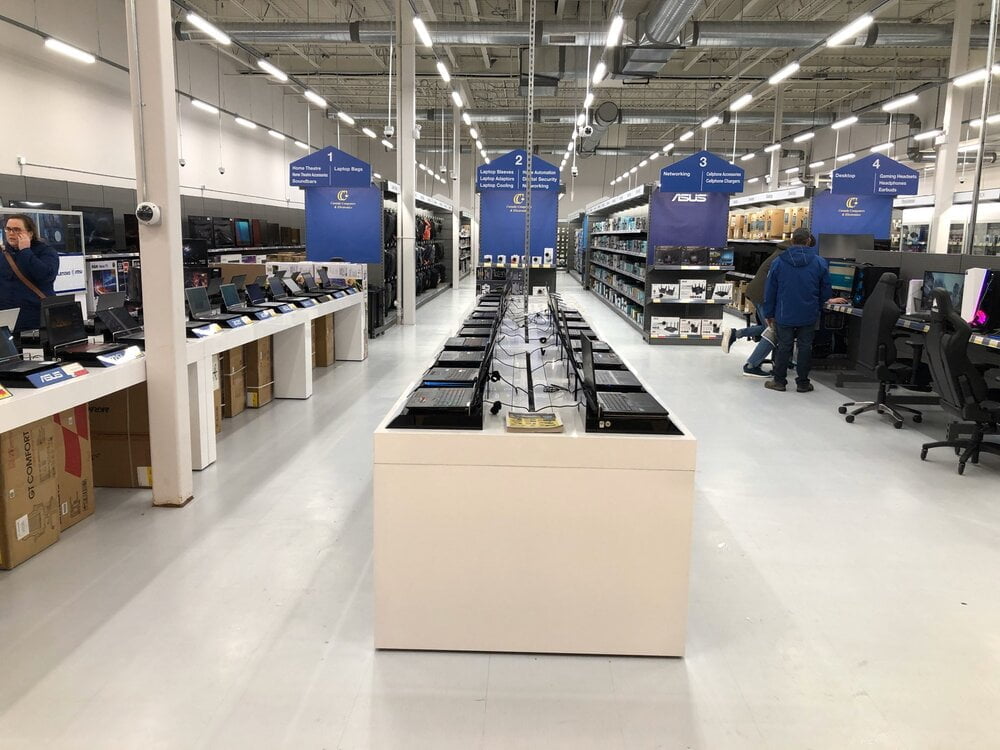


High Value Electronics Shipping Guide 2026 Packaging Customs Clearance Computer Pc Parts Open Cardboard Box Buing Delivery Computer Components Scaled . Lenovo Led Global PC Shipment In 2024 With 61 8 Million Units Apple 650 80 . Canada Computers To Open New HQ And Expand Operations With Stores Canada Computers Halifax Interior . Where To Buy PC Parts The 6 Best Places To Purchase New And Used In Store Only Microcenter 800x600 . Best Uk Pc Parts Store At Bryan Polley Blog 01 Highest Rated Computer Parts Among PC Builders


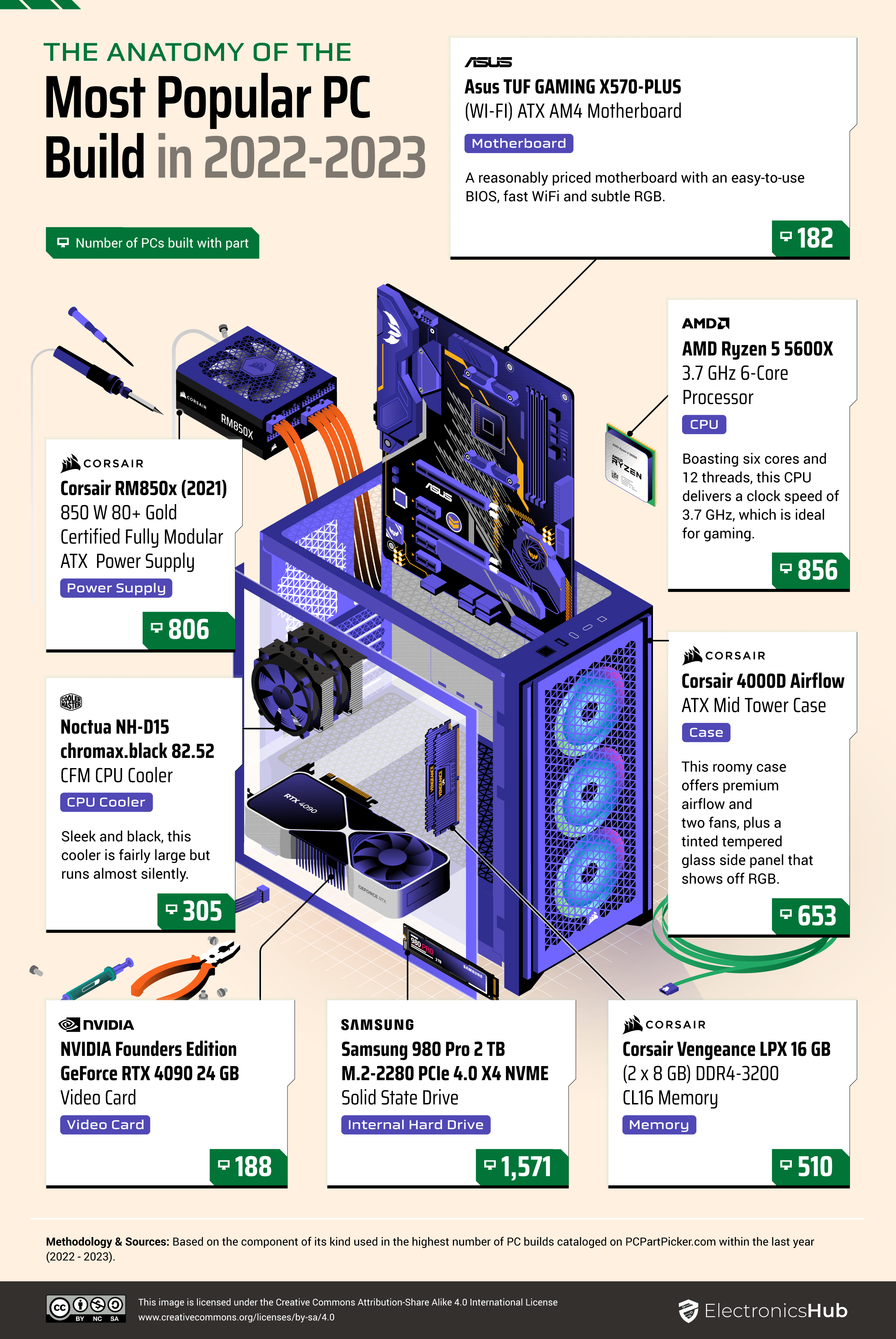
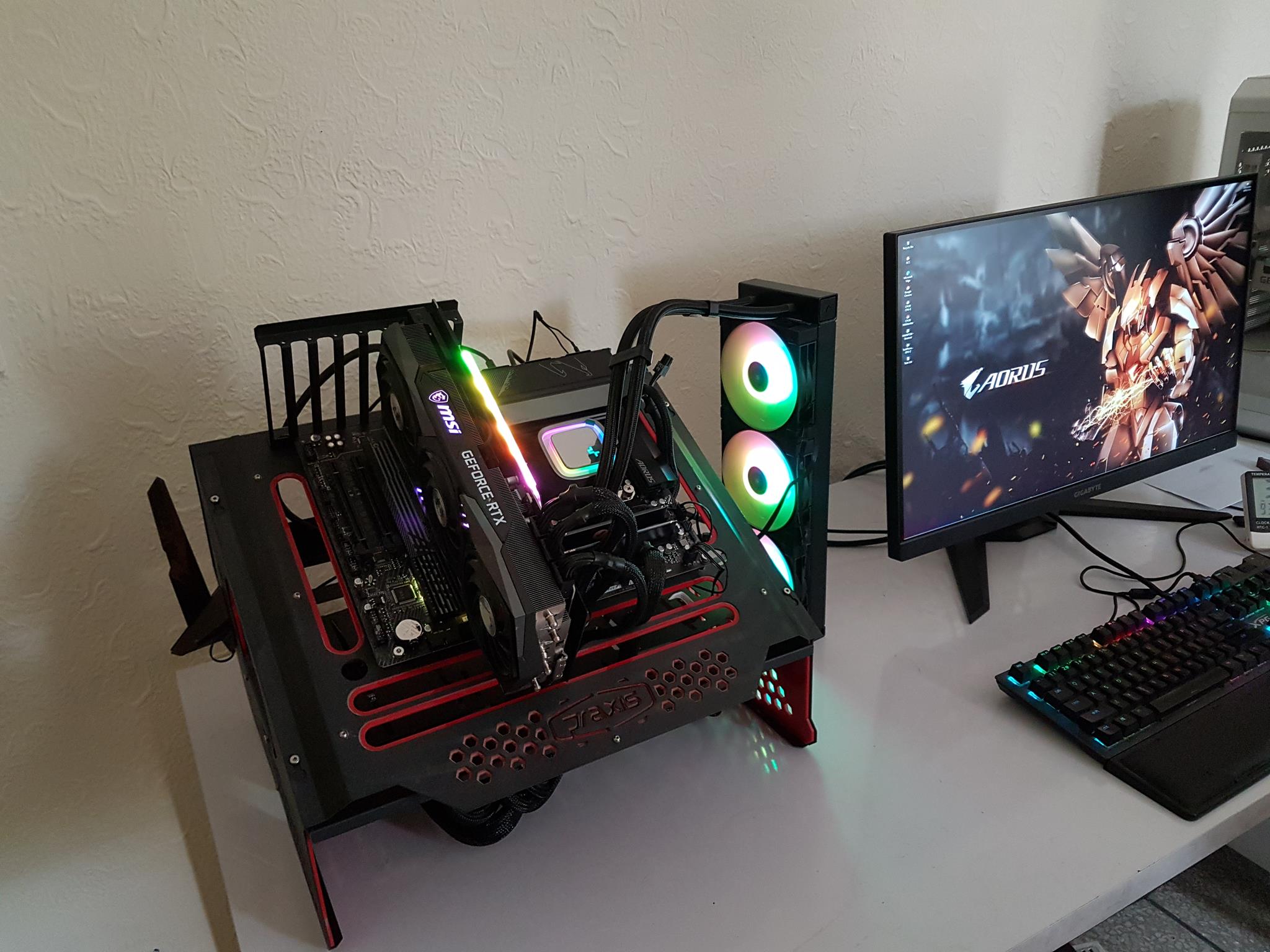
2024 PC Shipments Grew With Strong Refresh Cycle Win10 End Chart AI Capable PC Shipments 2025 . 2 461 Computer Parts Retail Images Stock Photos Vectors Taipei Taiwan December 4 2018 260nw 2274726009 . Parts Of A Pc Explained At Annalisa Hanley Blog 05 Most Commonly Used New Computer Parts Among PC Builders . Explained Why Are PC Parts So Expensive Right Now Tech4Gamers B650 AORUS ELITE AX Setup 3 . 50 Computer Parts Names With Pictures A To Z List Parts Of Computer Names



Online Computer Store Best Prices PC Parts Gaming PC PC Builder CA 4321 1 . The PC Market Is Finally Growing Again With 2024 Projected To See An 8 . Explained Why Are PC Parts So Expensive Right Now Tech4Gamers PC . Computer Parts Stores On Shopify 2026 2 1 3f1a2d97 F33c 41d7 A030 360x . Canada Computers Electronics Instagram Photos Crawler