PC gaming offers an unparalleled universe of digital entertainment, from fast-paced FPS action to immersive RPG narratives and complex strategy challenges. However, achieving an optimal gaming experience on a computer often requires careful attention to settings optimization, combating frustrating issues like high ping, annoying FPS drops, and disruptive stuttering. This guide explores how to troubleshoot common performance problems and enhance your gameplay across various genres including MOBAs, Battle Royales, and compelling Indie titles. Understanding driver updates, proper hardware configuration, and in-game settings is crucial. We delve into expert tips and essential tricks to ensure your computer runs games smoothly. Discover how to identify and fix common lag sources, ensuring uninterrupted fun. Master your system to truly enjoy the vast landscape of games available today and into 2026. This comprehensive resource helps both beginners and seasoned pros fine-tune their setups for peak performance and enjoyment, making every gaming session a victory.
Related games- How to Call Someone on Roblox Complete 2024 Guide
- Guide To Roblox Brown Hair IDs Your Avatar Makeover
- How to Make Pro Roblox GFX Guide Easy Steps
- Guide to Hoodlums Roblox How to Master the Game
- How to Unlock Exclusive Roblox Experiences 2026
Welcome, fellow gamers, to the ultimate "Play on a Computer" FAQ for 2026! The world of PC gaming evolves at lightspeed, and what was true last year might be outdated tomorrow. This living FAQ is your go-to resource, packed with the latest insights, tips, tricks, and answers to all your burning questions about maximizing your computer gaming experience in the current landscape. We've scoured forums, consulted pros, and gathered feedback from countless players to bring you a comprehensive guide. Whether you're battling pesky bugs, optimizing your builds, chasing that elusive endgame loot, or just trying to figure out why your FPS dropped, we’ve got you covered. Consider this your definitive playbook for conquering the digital realm, updated for the latest patches and hardware trends, ensuring you stay ahead of the curve. Dive in and let's get you gaming at your absolute best, without any frustrating hiccups.
Beginner Questions & First Steps
What are the basic system requirements for PC gaming in 2026?
In 2026, a capable gaming PC generally requires at least an Intel i5/Ryzen 5 CPU, 16GB RAM, and an NVIDIA RTX 30/40 series or AMD RX 6000/7000 series GPU for modern titles at 1080p. For 1440p or 4K, aim for higher-tier components like an i7/Ryzen 7 and an RTX 4070/RX 7800 XT or better. An SSD is also essential for fast load times.
How do I update my graphics drivers for optimal performance?
Always download drivers directly from NVIDIA (GeForce Experience) or AMD (Radeon Software) websites. Perform a clean installation, which removes previous driver versions to prevent conflicts. Restart your PC after installation to ensure all changes take effect properly for enhanced gaming stability and performance.
What's the difference between FPS and Ping in games?
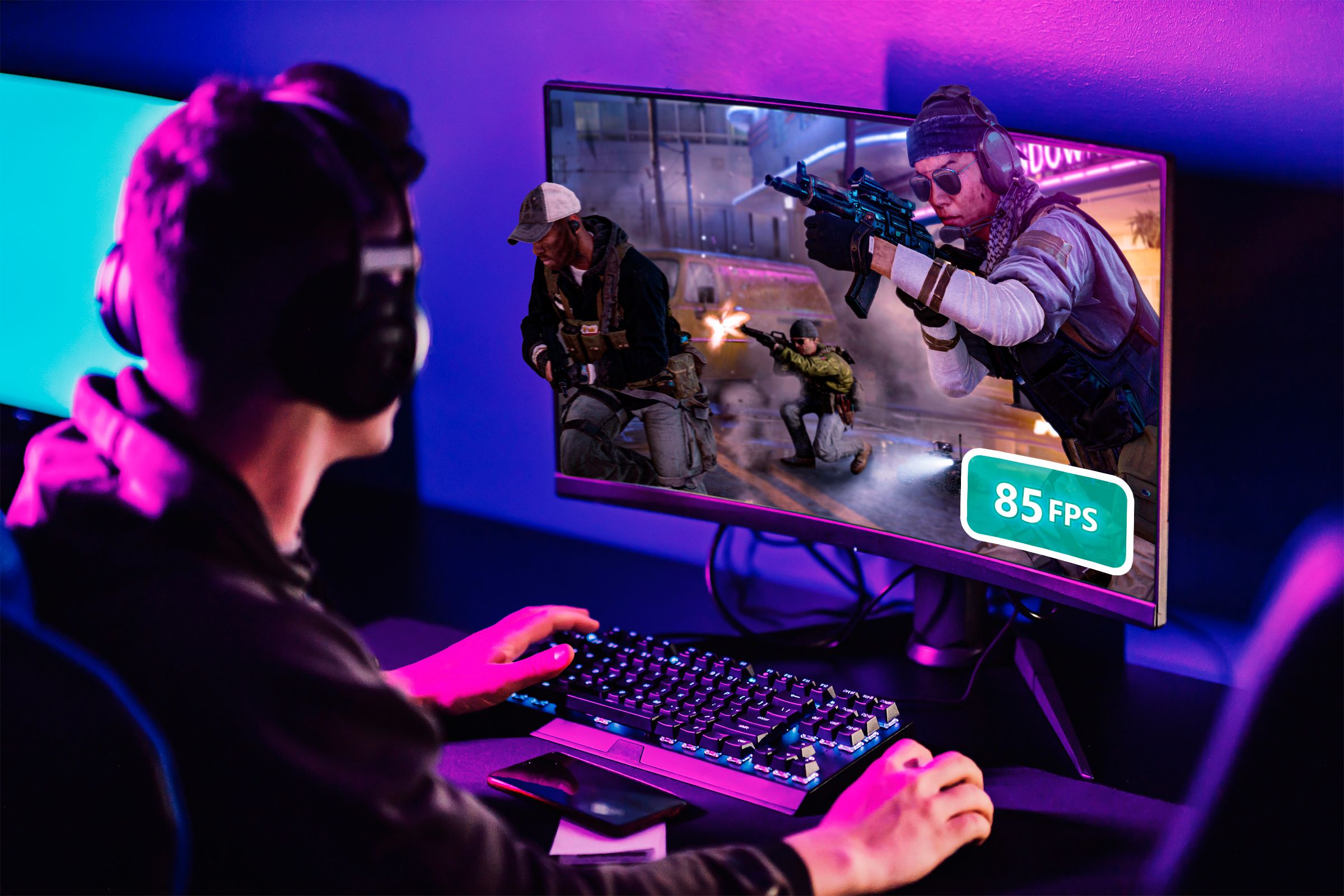
FPS (Frames Per Second) indicates how smoothly your game runs visually on your screen, determined by your computer's hardware. Ping measures the network delay between your PC and the game server. Higher FPS means smoother visuals; lower ping means more responsive online gameplay, crucial for competitive titles.
Should I enable Windows Game Mode?
Yes, Windows Game Mode is generally beneficial. It prioritizes your game's CPU and GPU access, reducing background process interference. While not a massive performance boost, it contributes to a more stable and focused gaming environment, particularly on systems with limited resources, by minimizing distractions.
Settings & Optimization Secrets
What in-game settings impact FPS the most?
Graphics settings like Shadows, Anti-Aliasing (especially MSAA), Ray Tracing, Global Illumination, and Volumetric Clouds are typically the biggest FPS killers. Reducing these first will yield the most significant performance gains. Experiment with one setting at a time to find your ideal balance without sacrificing too much visual quality.
How can I reduce input lag for more responsive gameplay?
To reduce input lag, use a wired mouse and keyboard, and ensure your monitor is set to its highest refresh rate. Enable "NVIDIA Reflex" or "AMD Anti-Lag" in your driver software, if available. Also, enable "Hardware-accelerated GPU scheduling" in Windows graphics settings, which can further minimize latency between your input and on-screen action.
Is V-Sync good or bad for gaming?
V-Sync synchronizes your game's FPS with your monitor's refresh rate, preventing screen tearing but often introducing input lag. If you have a G-Sync or FreeSync monitor, use those instead; they offer tear-free gaming without the significant input delay. Otherwise, disable V-Sync for competitive games where responsiveness is key.
Myth vs Reality: Does closing all background apps significantly boost FPS?
Myth: Closing all background apps will give you a massive FPS boost.Reality: While closing resource-heavy applications (browsers, streaming apps, Discord) can free up CPU/RAM and provide a noticeable boost, minimalist apps have little impact. The biggest gains come from managing high-impact programs, not obsessively shutting down every single process, making smart choices key.
Hardware & Component Insights
Is an SSD truly necessary for gaming in 2026?
Absolutely, an SSD is crucial in 2026. It dramatically reduces game loading times, texture streaming stutters, and overall system responsiveness compared to traditional HDDs. Many modern games are designed with SSDs in mind, making them a minimum requirement for a smooth and enjoyable experience, especially NVMe drives.
How much RAM (memory) do I need for gaming?
16GB of DDR4 or DDR5 RAM is the sweet spot for most gaming in 2026, allowing smooth multitasking and running demanding titles. For future-proofing or heavy streaming/content creation while gaming, 32GB is recommended. Ensure your RAM is running in dual-channel mode at its advertised speed (via XMP/DOCP) for optimal performance.
What is a CPU bottleneck, and how do I know if I have one?
A CPU bottleneck occurs when your CPU cannot process data fast enough for your GPU, causing your GPU to wait and not utilize its full potential. You can detect it by monitoring CPU and GPU usage during gaming; if your CPU is at 90-100% while your GPU is significantly lower (e.g., 60%), you likely have a CPU bottleneck. This often manifests as lower-than-expected FPS.
Myth vs Reality: More RGB lights make your PC faster.
Myth: Adding more RGB lighting to your PC increases its performance.Reality: RGB lighting is purely aesthetic and has no impact whatsoever on your computer's gaming performance. While it looks cool and adds personalization, the color of your RAM or fans doesn't translate to higher FPS or faster processing, though some argue it adds a "speed boost" to your morale!
Troubleshooting Common Problems
How do I fix persistent game stuttering?
Persistent stuttering, beyond driver updates, often points to thermal issues, background software conflicts, or RAM instability. Monitor CPU/GPU temperatures, close unnecessary programs, ensure RAM is properly seated and running at correct speeds. Also, check your storage drive health; a failing SSD can cause significant stutters. Use tools like LatencyMon to identify DPC latency issues from drivers.
Why is my internet speed fast, but my game ping is still high?
High ping despite fast internet often indicates a poor connection path to the game server, rather than raw bandwidth. This could be due to Wi-Fi interference, a congested local network, outdated router firmware, or geographical distance to the server. Try a wired connection, minimize network usage, and ensure your router is optimized. Your ISP might also be routing your traffic inefficiently.
My game crashes randomly. What advanced steps can I take?
Random crashes can be tricky. After driver updates and thermal checks, run a memory diagnostic (Windows Memory Diagnostic or MemTest86) to check for faulty RAM. Verify game file integrity through its launcher. Consider reinstalling DirectX, Visual C++ redistributables, or the game itself. Check Event Viewer logs for crash-related error messages, which often provide clues about the root cause.
Myth vs Reality: You need to defrag your SSD regularly for gaming performance.
Myth: Regularly defragmenting your SSD will improve gaming performance.Reality: This is completely false and can actually reduce your SSD's lifespan. SSDs do not benefit from defragmentation; their read/write mechanisms are entirely different from HDDs. Windows automatically optimizes SSDs, so manual defragmentation is unnecessary and harmful, focusing instead on trim commands.
Multiplayer & Online Issues
What causes "desync" in online multiplayer games?
Desync in online games occurs when your client's game state doesn't match the server's, or other players' clients. This is almost always due to network latency (high ping), packet loss, or server-side issues. Using a stable wired connection, ensuring low ping, and playing on servers with good regional connectivity are the best preventative measures. Sometimes it's simply the game's netcode.
How can I optimize my router for better gaming performance?
To optimize your router for gaming, enable Quality of Service (QoS) and prioritize your gaming PC or game traffic. Update your router's firmware regularly. Consider port forwarding for specific games if needed, though this is less common now. Placing your router centrally and using a wired connection also significantly improves network stability and reduces ping for smoother online play.
Myth vs Reality: Gaming on Wi-Fi is just as good as wired Ethernet.
Myth: Modern Wi-Fi is so advanced that it's just as good as a wired Ethernet connection for competitive gaming.Reality: While Wi-Fi has improved, a wired Ethernet connection will almost always provide lower, more stable latency and less packet loss. Wi-Fi is susceptible to interference and congestion, making it less reliable for critical online gaming where every millisecond counts. Wired is king for competitive integrity.
Game-Specific Strategies & Builds
What are key considerations for an FPS game build?
For an FPS game build, prioritize high single-core CPU performance, a powerful GPU for high frame rates, and a high refresh rate monitor (144Hz+) for smooth visuals and quick reactions. Fast RAM (e.g., 3600MHz+ DDR4 or 6000MHz+ DDR5) reduces CPU bottlenecks. A responsive gaming mouse and low input lag are critical for competitive advantage.
Tips for optimizing performance in a demanding MOBA (e.g., Dota 2, League of Legends)?
MOBAs are often more CPU-intensive due to many units and abilities. Prioritize CPU single-core performance and fast RAM. Lower spell effects, shadow quality, and anti-aliasing in settings. Ensure your internet connection is stable (wired preferred) to minimize ping, which is crucial for timely ability usage and last-hitting. Close background apps to free up CPU cycles.
Bugs & Fixes
What steps should I take if a new game patch breaks my performance?
If a new patch introduces performance issues, first check if other players are reporting similar problems; this indicates a wider game issue. Try verifying game file integrity through your launcher. Roll back your graphics drivers to a previous stable version, or wait for a hotfix from the developer or a new "game-ready" driver from NVIDIA/AMD. Report the bug to the game developers with detailed information.
How do I report bugs effectively to game developers?
When reporting bugs, be clear, concise, and provide as much detail as possible. Include: what you were doing when the bug occurred, frequency, exact error messages, your system specifications (CPU, GPU, RAM, OS version), and screenshots or video clips. This information is invaluable for developers to reproduce and fix issues. Use official bug reporting forums or in-game tools.
Endgame Grind & Advanced Play
What's the best strategy for staying competitive in 2026?
Staying competitive in 2026 involves continuous learning, adaptation, and optimization. Regularly analyze patch notes for meta changes, watch pro players, and practice consistently. Physically, ensure good ergonomics and take breaks. Technically, keep your system optimized, drivers updated, and network connection stable. Also, learn to adapt your build or strategy as game meta shifts, and maintain a positive mental attitude.
How do I choose the right gaming monitor for competitive play?
For competitive play, prioritize a high refresh rate (144Hz, 240Hz, or 360Hz), low response time (1ms GTG), and G-Sync/FreeSync compatibility. Panel type matters: TN panels are fastest, IPS offers better colors/viewing angles. Resolution (1080p, 1440p) depends on your GPU's power and personal preference, but high refresh rate is key for responsiveness over raw pixels.
Myth vs Reality: You must always play at max settings to enjoy a game.
Myth: To truly enjoy a game, you must always play it with all settings turned to maximum.Reality: While high settings look beautiful, prioritizing smooth FPS over maxed-out visuals often leads to a far more enjoyable and responsive gaming experience, especially in competitive titles. Many pros lower settings to achieve maximum frame rates and clarity, showing that enjoyment is subjective and performance often trumps raw graphical fidelity.
Future-Proofing & Beyond 2026
What are key trends for PC gaming hardware in 2026 and beyond?
Key trends in 2026 and beyond include continued advancements in AI upscaling (DLSS, FSR), further integration of ray tracing with performance optimizations, and the increasing importance of CPU multi-core performance for complex game worlds. More efficient power consumption, faster memory standards (DDR5, GDDR7), and increasingly powerful integrated graphics are also major directions, blurring lines between discrete GPUs and APUs. Cloud gaming will also continue to grow.
What role will AI-driven game engines play in the future of "play on a computer"?
AI-driven game engines will revolutionize "play on a computer" by enabling more dynamic, responsive, and lifelike game worlds. Expect AI to generate more realistic NPCs, procedural content, and adaptive narratives that react to player choices. AI will also optimize game performance in real-time, adjust difficulty dynamically, and even assist in game development, leading to incredibly complex and personalized gaming experiences previously unimaginable.
Still Have Questions?
Don't stop here! The world of PC gaming is vast, and there's always more to learn. If your specific query wasn't answered here, jump into our community forums or check out our other popular guides:
- Best PC Gaming Builds 2026: From Budget to Beast
- Master Your FPS Game: Aim, Movement, and Strategy
- The Ultimate Guide to Fixing Network Lag and High Ping
Ever wonder why your friend's game runs super smooth while yours stutters like a broken record? Or maybe you're asking, "What's the best way to get rid of that annoying lag?" It's a common struggle, believe me. Playing on a computer should be a seamless, exhilarating experience, not a frustrating battle against technical glitches. In 2026, with cutting-edge games pushing hardware limits, understanding how to optimize your setup is more vital than ever. You deserve to dive into those incredible virtual worlds without interruption, whether you're dominating in a Battle Royale, strategizing in an RTS, or exploring vast RPG landscapes. Let's peel back the layers and uncover the secrets to an epic gaming journey.
From fine-tuning your settings to understanding the intricate dance of drivers and hardware, every small adjustment can make a massive difference. We're talking about consistent FPS, minimal ping, and zero stuttering. This isn't just about throwing money at new components; it is about smart optimization and knowing what to tweak. Get ready to transform your gaming rig into the smooth, powerful machine it was always meant to be. Our goal is to empower you to enjoy every frame and every moment without a hitch, turning potential frustrations into pure gaming bliss.
Unlocking Peak Performance: Your PC Gaming Playbook
The Foundation: Why Optimization Matters
Many gamers overlook the importance of system optimization, assuming powerful hardware alone guarantees a flawless experience. However, even the beefiest rigs can suffer from poor performance if not properly configured. Understanding the interplay between your operating system, graphics drivers, and in-game settings is key to unlocking consistent frame rates and responsive gameplay. A well-optimized PC translates directly into a competitive edge and a far more enjoyable time, no matter your preferred genre. It truly makes a world of difference.
Essential Software Checks for Smooth Play
Before diving into complex adjustments, ensure your basic software environment is in top shape. Regularly updating your operating system and graphics drivers is non-negotiable for modern gaming. Outdated drivers are a prime culprit for FPS drops and stability issues. Consider using specialized software like NVIDIA GeForce Experience or AMD Radeon Software to manage these updates efficiently. These tools often provide game-ready drivers and performance optimizations tailored to specific titles. Keeping your system lean by removing unnecessary background applications also frees up valuable resources.
- Update Graphics Drivers: Always install the latest drivers from NVIDIA or AMD.
- OS Updates: Keep Windows 11 or other OS fully patched.
- Background Processes: Close resource-hogging apps before launching games.
- Game Mode: Enable Windows Game Mode for prioritized performance.
Hardware Deep Dive: Beyond the Basics
While software optimization is crucial, your hardware forms the backbone of your gaming experience. Ensuring adequate cooling for your CPU and GPU prevents thermal throttling, which can severely impact performance during long sessions. A fast SSD significantly reduces game load times, enhancing overall user experience. For competitive play, a high refresh rate monitor paired with a powerful GPU ensures you see every frame. Don't forget a responsive gaming mouse and a mechanical keyboard for precision input. These components work in harmony to deliver immersive and responsive gameplay.
- Cooling Solutions: Invest in effective CPU/GPU coolers.
- Storage: Upgrade to an NVMe SSD for lightning-fast loading.
- Monitor: Pair your GPU with a high refresh rate display.
- Peripherals: Choose responsive gaming mouse and keyboard.
Okay, let's dive into some of those burning questions you're probably asking yourself right now. I've heard these in so many forums and over countless coffee chats with fellow developers and gamers. It's totally normal to feel a bit overwhelmed with all the tech talk, but we're going to break it down together, piece by piece. You've got this, and I'm here to guide you through it!
It is like learning a new spell in an RPG; it might seem complex at first glance. However, once you understand the components, casting becomes second nature. We will tackle everything from basic troubleshooting to advanced tweaks. By the end, you will feel much more confident in optimizing your own system. Let's get you on the path to smoother, more enjoyable gaming sessions.
Beginner / Core Concepts
- Q: My game keeps freezing or crashing. What's usually the first thing I should check? A: Oh, that's such a common headache, and I get why it's so frustrating when your game just decides to bail on you! The very first thing you'll want to check, almost universally, is your graphics drivers. They’re like the instruction manual for your GPU, telling it how to talk to your games. An outdated or corrupt driver is a super frequent culprit for stability issues. It's incredible how often a fresh driver install fixes these kinds of problems, trust me on this one. Here’s what you do: head over to NVIDIA's or AMD's website, grab the latest stable driver version specifically for your graphics card, and do a clean installation. Don't just update over the old one; use their “clean install” option if available or a tool like DDU (Display Driver Uninstaller) to really wipe out the old bits before installing new ones. After that, check your game’s integrity files through Steam or your game launcher, just in case something got corrupted. Also, make sure your operating system is fully updated; sometimes there are crucial security or performance patches that impact game stability. You’ve got this! Try this tomorrow and let me know how it goes.
- Q: What exactly is "FPS" and why is it so important for gaming? A: I get why this confuses so many people, especially when everyone throws around “FPS” like it’s common knowledge! Simply put, FPS stands for Frames Per Second, and it’s basically how many individual images your computer can draw and display on your screen in one second. Think of it like a flipbook: more pictures per second mean a smoother, more fluid animation. For gaming, a higher FPS means everything looks smoother and more responsive, making it easier to react quickly and precisely, especially in fast-paced games like an FPS (First-Person Shooter, yep, same acronym!). A low FPS, say below 30, can make a game feel choppy, slow, and even give you a headache. It's really jarring. Ideally, you want to aim for 60 FPS or higher for a genuinely comfortable experience, and competitive players often strive for 144 FPS or even 240 FPS if their monitor supports it. More frames give you a clearer picture of what’s happening, which translates directly to better aim, faster reactions, and a generally more immersive experience. It's the difference between watching a slideshow and watching a movie. You’re learning so much already!
- Q: My game is constantly "lagging." Is that always my internet connection, or could it be something else? A: This one used to trip me up too, and it’s a super common misconception that “lag” always means bad internet! While poor internet connection (often indicated by high ping) is definitely a major cause of network lag, the term “lag” is sometimes also used to describe performance issues on your actual computer, which is what we call “client-side lag” or just “stuttering” or “low FPS.” So, it could absolutely be something else entirely! If your internet is fine (you can check your ping to a game server or do a speed test), then your lag is likely a symptom of your computer struggling to render the game. This could be due to outdated drivers, too many background applications hogging resources, insufficient RAM, or your graphics card/CPU not being powerful enough for the game’s settings. A good first step is to check your in-game FPS counter. If it’s low, that’s your computer struggling. If your ping is high, that’s your internet. It’s important to distinguish between these to find the right fix. You'll be troubleshooting like a pro in no time!
- Q: What's the easiest way to improve my PC gaming performance without spending money? A: I hear this question all the time, and it’s a smart one because there are definitely ways to boost performance without opening your wallet! The easiest and most impactful changes usually involve optimizing your software and settings. First off, make sure your graphics drivers are completely up to date – seriously, it's a game-changer. Next, dive into your in-game settings. Lowering graphics options like shadows, anti-aliasing, and texture quality can significantly improve FPS without making the game look terrible. Beyond that, close any unnecessary background applications before you launch a game. Things like web browsers with tons of tabs, Discord, or streaming apps can quietly eat up your CPU and RAM, starving your game of resources. Also, enable “Game Mode” in Windows, as it helps prioritize your game. Finally, keep your PC clean from dust inside; overheating can cause performance drops, and a dusty system is a hot system. These small steps really add up to a much smoother experience. Keep at it, you're doing great!
Intermediate / Practical & Production
- Q: I've updated my drivers, but I'm still getting FPS drops in specific games. What's next on the checklist? A: Ah, the dreaded persistent FPS drops! This one can be a bit trickier than just a driver update, but we’ve got a system for it. If drivers didn’t quite cut it, the next logical step is to check your thermal performance. Your CPU and GPU might be getting too hot during intense gaming sessions, causing them to “throttle” their performance to prevent damage. This thermal throttling manifests as sudden, intermittent FPS drops. You’ll want to use monitoring software like MSI Afterburner or HWMonitor to keep an eye on your CPU and GPU temperatures while gaming. If they’re consistently hitting 85-90 degrees Celsius or higher, you’ve found a major suspect. Solutions can include cleaning dust from your PC’s fans and heatsinks, reapplying thermal paste, ensuring proper case airflow, or even upgrading your cooling solution. Beyond thermals, also check your power supply: an insufficient PSU can lead to instability when components draw peak power. It's all about eliminating variables! Don't get discouraged, we'll get to the bottom of it.
- Q: How do I fine-tune in-game graphics settings for the best balance between visuals and performance? A: This is where the real art of PC gaming optimization comes in, and it's a sweet spot to find! It’s not about turning everything to “low” but understanding which settings have the biggest impact on FPS versus visual fidelity. Generally, shadows, anti-aliasing (especially higher settings like MSAA), global illumination, and ray tracing (if enabled) are massive performance hogs. Start by lowering these first. Texture quality, on the other hand, usually depends more on your VRAM (the memory on your graphics card) and often has a lower impact on FPS, so you can often keep this higher if you have a decent GPU. Other settings like draw distance or foliage density can also be significant. My advice is to change one setting at a time, test the game for a few minutes with an FPS counter visible, and see the impact. Repeat until you hit your target FPS. It’s an iterative process, but it allows you to squeeze out maximum visuals without sacrificing that smooth frame rate. You’ll be a wizard at this in no time!
- Q: What's the deal with "ping" in online games, and how can I reduce high ping? A: Ping, my friend, is your connection’s heartbeat to the game server, and a high one is often the bane of competitive online gaming! It measures the round-trip time, in milliseconds, for a data packet to travel from your computer to the game server and back. A lower ping means your actions register faster, giving you a tangible advantage and a much smoother experience. High ping makes everything feel delayed and frustrating, often referred to as network lag. Reducing high ping starts with your internet connection. First, use a wired Ethernet connection instead of Wi-Fi if at all possible; Wi-Fi introduces more latency and instability. Second, close any background applications that might be hogging bandwidth, like streaming services, large downloads, or other devices on your network. Third, ensure your router firmware is updated. Sometimes, it’s also about choosing game servers geographically closer to you. If all else fails, a better internet plan or a call to your ISP might be necessary. It’s all about a clean, direct line to the action! Keep pushing for that low ping!
- Q: Are gaming peripherals like mechanical keyboards and high DPI mice truly worth it for casual players? A: That's a fantastic question, and one I get asked a lot by folks wondering if they need to spend big to have fun! The short answer is yes, they can absolutely be worth it even for casual players, but maybe not for the reasons you'd initially think. For mechanical keyboards, it’s about the feel and durability. The tactile feedback and precise actuation make typing and gaming more satisfying and less prone to mistakes, which adds to overall enjoyment. They're also built like tanks, lasting far longer than cheap membrane keyboards. For high DPI mice, it's not just about cranking up the sensitivity. It's about precision and comfort. A good gaming mouse often has a superior sensor, better ergonomics, and customizable buttons. This allows for smoother, more accurate cursor movement, reducing hand strain over long sessions. While a casual player might not need 16,000 DPI, the underlying quality and features significantly enhance the experience. It's an investment in comfort and enjoyment, not just competitive edge. Treat yourself, you deserve a good setup!
- Q: How important are specific CPU cores and clock speeds versus GPU power for different game genres like RPGs vs. FPS? A: This is a nuanced question, and it really depends on the game, which is why it’s so interesting! Generally, for modern gaming in 2026, the GPU (graphics card) is almost always the single most important component for determining your FPS and graphical fidelity. It handles the heavy lifting of rendering all those beautiful pixels and effects. So, for most graphically intensive games, whether it’s an immersive RPG or a fast-paced FPS, a powerful GPU will give you the biggest performance boost. However, the CPU still plays a crucial role, especially for certain genres and game engines. Games with lots of AI, complex physics calculations, or many concurrent players (think large-scale MMOs or strategy games) tend to be more CPU-bound. In these scenarios, a CPU with strong single-core performance and enough cores (typically 6-8 cores are excellent for gaming now) will prevent a “bottleneck” where your GPU is waiting on your CPU. For FPS games, while GPU is king for raw frames, a strong CPU ensures stable minimum FPS, which is critical for smooth competitive play. It’s all about balance, my friend!
- Q: What's the best way to monitor my PC's performance while gaming (FPS, temps, usage)? A: This is a pro-level habit that every serious gamer should adopt, and it’s surprisingly easy to get started! Monitoring your system during gameplay gives you invaluable insights into where potential bottlenecks or issues might lie. The gold standard for this is usually MSI Afterburner combined with RivaTuner Statistics Server (RTSS). MSI Afterburner lets you monitor GPU usage, temperature, clock speed, VRAM usage, and even tweak GPU settings. RTSS, which comes bundled with it, provides a customizable on-screen display (OSD) that shows all this data, plus CPU usage, RAM usage, and FPS, right there in your game. Other good options include HWMonitor for overall system health, or the built-in performance overlay in your graphics card software (NVIDIA GeForce Experience or AMD Radeon Software). Many games also have their own built-in FPS counters. The key is to have something running discreetly that gives you real-time feedback. This data helps you make informed decisions when optimizing settings or diagnosing problems. It's like having a diagnostic toolkit always ready. You're becoming a true system master!
Advanced / Research & Frontier 2026
- Q: How significant is PCIe Gen 5 in 2026 for high-end gaming, or is Gen 4 still sufficient? A: This is a question many tech enthusiasts and competitive players are wrestling with right now, and it’s a great example of staying on top of frontier tech! In 2026, PCIe Gen 5 is definitely becoming more prevalent, especially with the latest high-end GPUs and NVMe SSDs hitting the market. For the absolute bleeding edge of graphics performance, particularly with GPUs like the upcoming 'Orion' series or advanced AI-upscaling techniques, Gen 5 offers double the bandwidth of Gen 4. This can potentially provide marginal FPS gains in very specific, bandwidth-hungry scenarios, like streaming high-resolution textures directly from a Gen 5 SSD to the GPU. However, for the vast majority of current games and even most high-end gaming in 2026, PCIe Gen 4 is still perfectly sufficient. The bandwidth offered by Gen 4 is rarely fully saturated by even the most powerful GPUs in typical gaming workloads. Where Gen 5 truly shines is for future-proofing, ultra-fast storage solutions (loading massive open-world games almost instantly), and certain professional applications. So, if you're building a top-tier machine and want every last drop of performance for years to come, Gen 5 is a smart investment. For most, Gen 4 remains incredibly capable. Don't feel pressured to upgrade just for the number!
- Q: What are some advanced Windows settings or tweaks that can further optimize gaming performance? A: Alright, now we’re getting into the nitty-gritty, the kind of stuff that shows you’re serious about squeezing out every last frame! Beyond the basics, there are a few advanced Windows tweaks that can make a noticeable difference. First, ensure “Hardware-accelerated GPU scheduling” is enabled in Windows Graphics settings; this can offload some CPU tasks to the GPU, reducing latency. Second, consider disabling “Xbox Game Bar” if you don’t use its features, as it can sometimes consume resources in the background. For truly advanced users, tweaking power plans to “Ultimate Performance” (sometimes a hidden option requiring a specific command prompt input) can prevent the CPU from downclocking during less intense moments. Also, optimizing your Windows paging file size, especially if you have less than 32GB of RAM, can help with system responsiveness. Just be cautious with registry edits or system services; always back up your system before making deep changes. These are marginal gains, but for an enthusiast, every bit counts! You're really diving deep now, awesome!
- Q: How do I identify and resolve complex stuttering issues that aren't fixed by typical driver updates or settings changes? A: Ah, complex stuttering – that’s one of the most frustrating and often elusive issues to track down, and it used to drive me absolutely batty! If basic fixes aren’t working, it’s time to become a detective. Often, these types of stutters are not just FPS drops but micro-stutters or frame time inconsistencies. Use a tool like CapFrameX or FrameView to log your frame times over a gaming session. You’re looking for erratic spikes in frame time graphs, not just low average FPS. Common culprits for persistent stuttering include:
- RAM issues: Insufficient RAM or mismatched RAM speeds, or even faulty RAM modules.
- CPU bottleneck: Your CPU might be struggling in specific parts of the game, even if average usage seems fine.
- Storage issues: A slow or failing drive where the game is installed can cause asset loading stutters.
- Background software conflicts: Antivirus, overlays (Discord, GeForce Experience), or monitoring tools can sometimes interfere. Try disabling them one by one.
- Power delivery problems: An unstable power supply can cause intermittent issues.
- Q: What role will AI upscaling technologies (DLSS, FSR, XeSS) play in 2026 and how can I best utilize them? A: This is the frontier for gaming performance, and AI upscaling is absolutely massive in 2026, becoming almost a standard expectation for modern titles! Technologies like NVIDIA's DLSS, AMD's FSR, and Intel's XeSS use AI to render games at a lower internal resolution and then intelligently upscale them to your monitor's native resolution, often with image quality that rivals or even surpasses native resolution, but with significantly higher FPS. This is a game-changer for pushing high resolutions (like 4K) or achieving very high frame rates on less powerful hardware. To best utilize them, first, ensure your graphics card supports the technology (DLSS is NVIDIA RTX exclusive, FSR and XeSS are more broadly compatible). Then, always enable it in your game’s settings if available. Experiment with the different quality modes (Performance, Balanced, Quality, Ultra Performance) to find the best balance for your setup. For instance, 'Quality' mode usually offers the best visual experience with a decent FPS boost, while 'Performance' provides maximum frames. The advancements in these algorithms are incredible; by 2026, we’re seeing less artifacting and even better temporal stability. It means you don't always need the absolute top-tier GPU to enjoy fantastic visuals and smooth performance. Embrace the AI, it's here to stay and it's making gaming better for everyone!
- Q: What are the considerations for cloud gaming services (like GeForce NOW or Xbox Cloud Gaming) as a primary way to "play on a computer" in 2026? A: That’s an incredibly forward-thinking question, and cloud gaming is definitely making huge strides by 2026, becoming a genuinely viable primary option for many! The biggest consideration is your internet connection: you absolutely need a very stable, low-latency, and high-bandwidth connection. We’re talking minimum 50-100 Mbps, ideally with low ping to the cloud server, to get a truly enjoyable experience. It's essentially streaming a game, so any hiccups in your network will directly translate to visual artifacts, input lag, and a generally choppy experience. The huge advantage is that you don’t need powerful local hardware. Your old laptop or a basic desktop can run the latest AAA titles at max settings because the heavy lifting is done in the cloud. However, you’re always subject to the server’s performance and network conditions. Input lag, while significantly reduced in 2026 compared to earlier iterations, can still be a factor for highly competitive or rhythm-based games. Another point is game ownership: some services require you to own the game, while others offer a subscription library. It’s an amazing solution for accessibility and convenience, but a strong, consistent internet connection remains the absolute king for a good cloud gaming experience. It's truly democratizing high-end gaming for so many people!
Quick 2026 Human-Friendly Cheat-Sheet for This Topic
- Update Everything First: Seriously, graphics drivers and your OS are your best friends for stable gaming. Do it often!
- Settings Sweet Spot: Don't just max everything. Lower shadows and anti-aliasing for big FPS gains with minimal visual loss.
- Kill Background Apps: Close those extra browser tabs and apps. Your game needs all the RAM and CPU it can get.
- Wired is Best: For online games, plug in with an Ethernet cable. Wi-Fi adds lag and makes you sad.
- Monitor Your Rig: Use tools like MSI Afterburner to see your FPS and temperatures. Knowledge is power!
- Cool It Down: Dust is the enemy. Clean your PC regularly to prevent overheating, which slows everything down.
- Embrace AI Upscaling: DLSS, FSR, XeSS are magic. They give you more frames without much visual compromise. Use them!
Optimize your PC for peak gaming performance, troubleshoot common issues like lag and FPS drops, master driver management, and explore genre-specific tips for an unparalleled digital adventure.
35


Top 10 Most Anticipated Games Of 2026 What To Watch Out For GAMES IN 2026 . What Are The Best Free Steam Games You Can Play Now . TOP 10 BEST NEW Upcoming Games Of 2026 YouTube . TOP 50 BIGGEST NEW Games Coming In 2026 With Crazy NEXT GEN 4K Graphics . TOP 40 BIGGEST NEW Games Coming In 2026 With Crazy NEXT GEN 4K Graphics


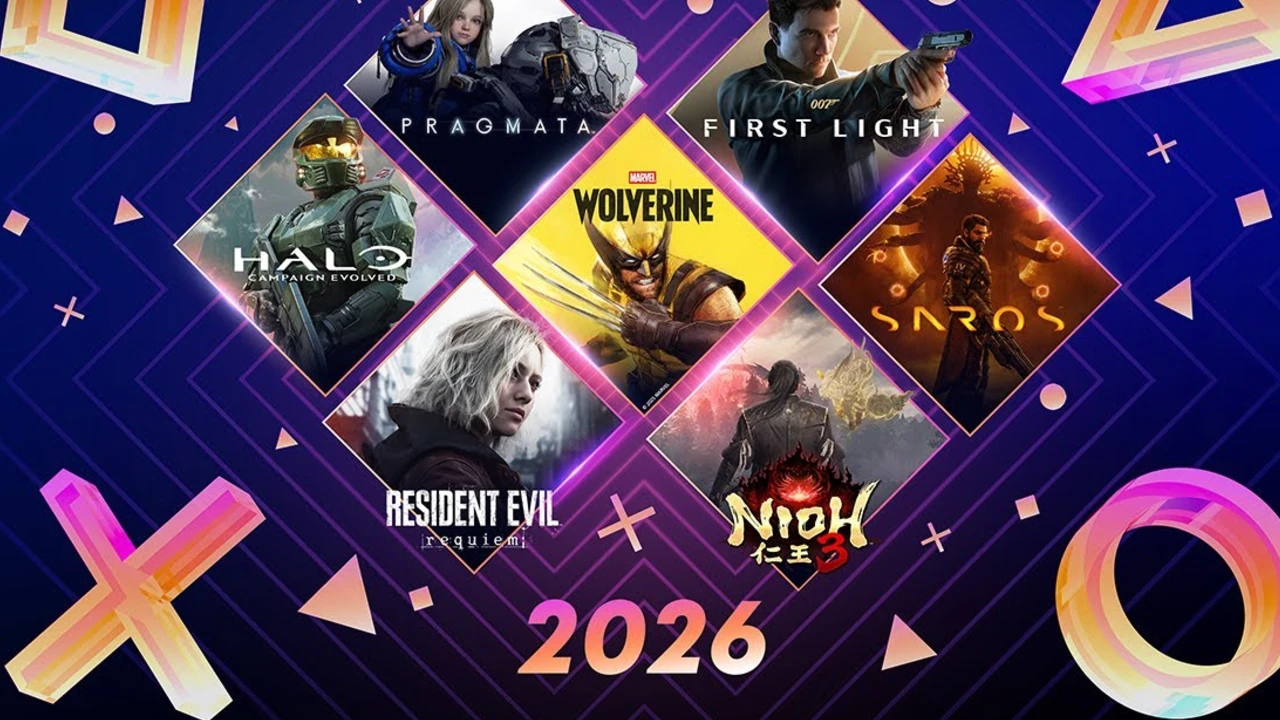

TOP 10 NEW Upcoming Games Of 2026 Beyond YouTube . Upcoming Games Of 2025 2026 And The Future Of Gaming 2025 2026 Upcoming . Football League 2026 Download And Play On PC Google Play Store O 7C XcmOkRK8t. PS5 Ausblick 2026 PlayStation Zeigt Fulminanten Auftakt Diese Spiele Playstation 2026 Teaser.webp. NEW UPCOMING GAMES 2026 Trailer Best New Game Trailers YouTube

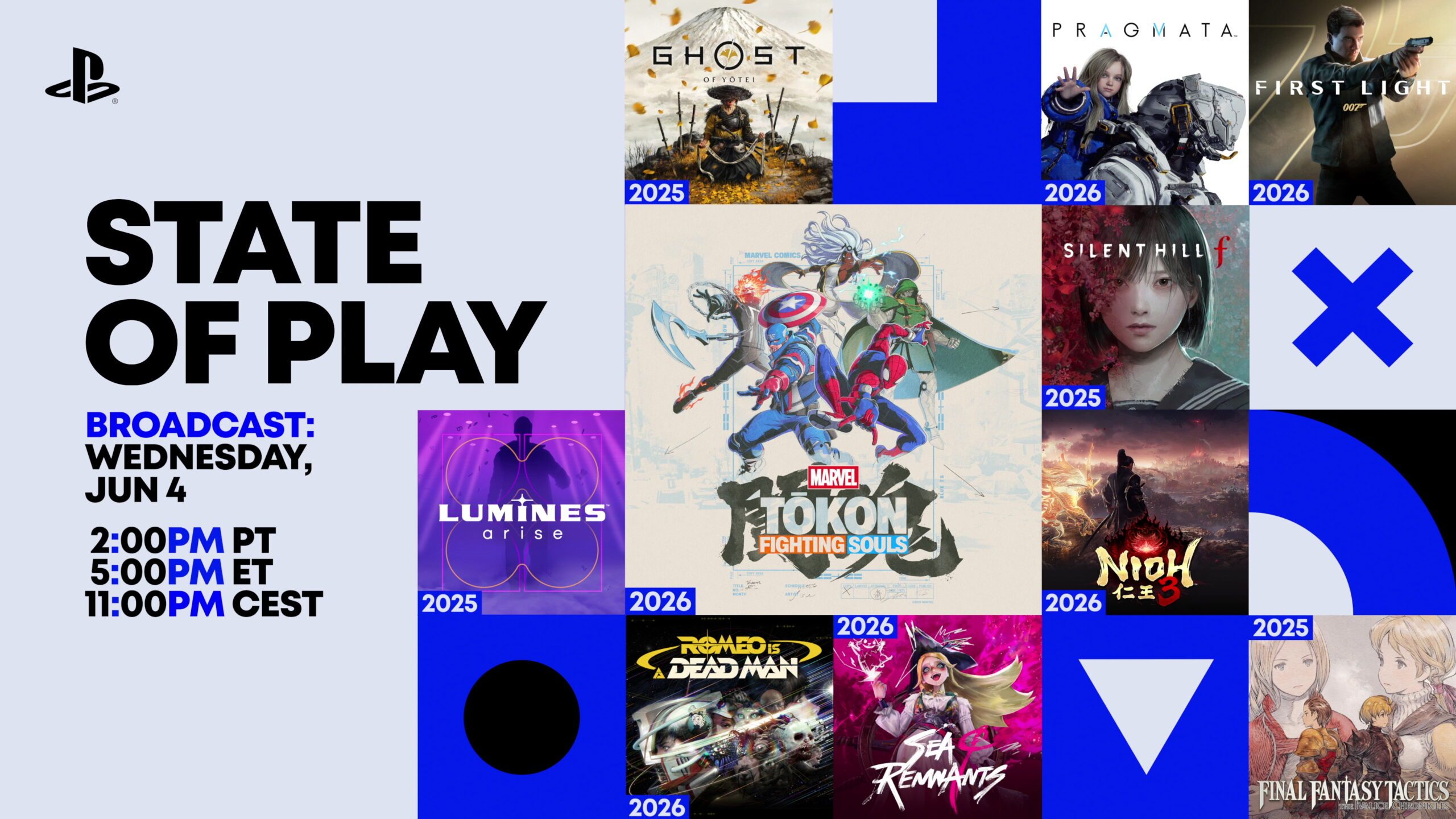
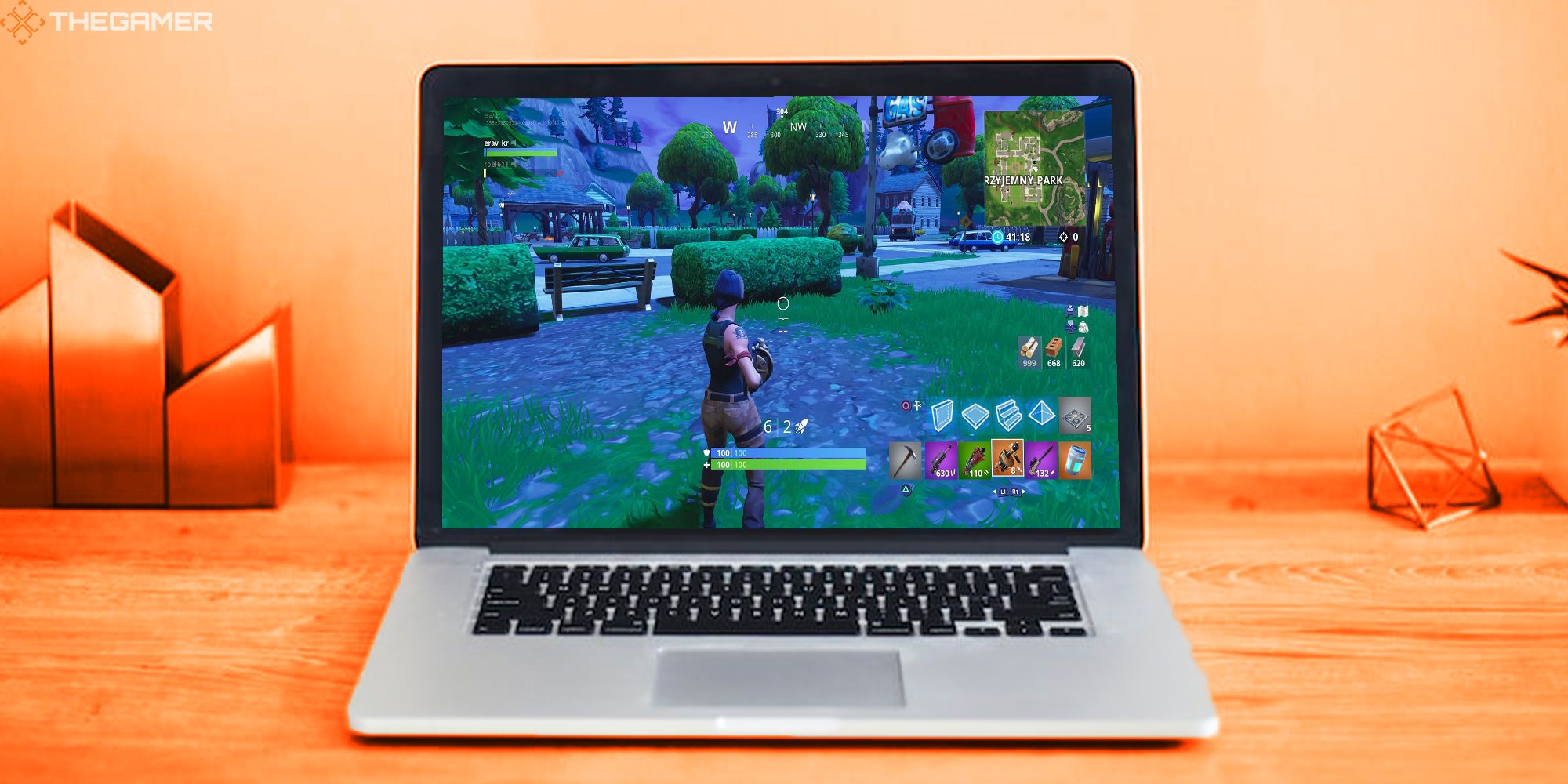

My Current Steam Wishlist 2025 2026 New Games YouTube . Tides Of Tomorrow Reimagines Multiplayer Out Feb 24 2026 Scaled . Fun Games To Play On Computer Top Best Games To Play On Laptop Feature Image . EFootball 2026 FIFPlay Efootball 2026 Download . How To Reduce Lag Without Sacrificing Graphics No Witchcraft Involved New Games 2025 2026



Top 10 Best Desktop Computers 2026 For Home Office And Work Lenovo Legion Tower 5i 2026 Budget Desktop Computer For Home Office Among Best Desktop. Top 10 Best Desktop Computers 2026 For Home Office And Work Lenovo Legion Tower 7i 2026 High Performance Desktop Computer With RGB Lighting Featured In. Efootball 2026 Contr Les FIFPlay France Efootball 2026 Controls . The 700 PlayStation 5 Pro Is Still A Bargain Person Playing On A Pc With The Fps Visible . Gamer Plakat 360 Gamer Playing Computer Games


EFootball 2026 FIFPlay Efootball 2026 Leagues . EFootball PES 2026 PPSSPP ISO Zip Free File Download EFootball PES 2026 PPSSPP ISO Zip Free File Download . Top 10 Best Desktop Computers 2026 For Home Office And Work HP OmniStudio X Pro 2026 All In One Desktop Computer With Large Display Ranked Among Best. Top 10 Best Desktop Computers 2026 For Home Office And Work Apple IMac M4 2026 All In One Desktop Computer For Creative In Best Desktop. Close Up Of A Person Playing A Computer Game Free Stock Video Footage Pexels Photo 15114969



Best Laptops 2026 Top Picks For Every Budget Use Case Xthe Best Laptops 2026 Top Picks For Every Budget Use Case 750x350 . Ein V Llig Anderes FIFA Warum 2026 Alles Anders Wird Gamers DE Fifa 2026 EA Stil1 . EFootball 2026 FIFPlay Efootball 2026 Playing Styles . TOP 55 BEST PC GAMES YOU NEED TO PLAY YouTube . Play Like A Superstar In EA Sports NHL 26 With The EA Play 10 Hour EAP NHL26 10HTrial Social 1920x1080 1024x576




Gamer With Headset Playing Games On Computer Man Wearing Headphones Gamer With Headset Playing Games On Computer Man Wearing Headphones Using Keyboard And Mousepad To Play Online Game On Monitor With Gaming Equipment Modern Player Photo.JPG. Happy New Year 2026 A Man Presses Enter Button On His Laptop Computer Happy New Year 2026 A Man Presses Enter Button On His Laptop Computer To Change The Year From 2025 To 2026 To Start The New Year 2S1C6B3 . How To Activate Wallet Codes And Gift Cards On Steam Deck Amazon Luna January 2026 Free Pc Games . PlayStation Media. GOOGLE PLAY STORE DOWNLOAD FOR PC WINDOWS 11 10 IN 2026 Technical Google Play Store Download W11