Navigating the digital landscape of gaming can be incredibly rewarding, offering relaxation, social connection, and skill development for millions of US gamers. However, for some, the line between passionate play and problematic engagement blurs, leading to serious consequences. This comprehensive article delves into why gaming addiction is bad, exploring its multifaceted impacts on mental health, physical well-being, social relationships, academic or professional performance, and financial stability. We'll unpack the signs, address common misconceptions, and offer practical insights for maintaining a healthy balance. Understand how this growing concern affects the average gamer, often juggling responsibilities, and discover strategies to enjoy gaming responsibly while avoiding the pitfalls of excessive play. Stay informed about the latest trends and expert advice on cultivating a sustainable gaming lifestyle.
Related games- Guide Roblox Essential Scripting
- Guide to GTA San Andreas Mobile: Max Fun Anywhere 2026
- Master Guide on How to Use Roblox Emotes Fast and Easy
- How Does Steam Store Saved Games A Complete Guide
- Guide How To Request Referrals On Roblox Effectively
How Can I Tell if My Gaming Has Become Problematic and Not Just a Hobby?
It’s a common question for busy US gamers, especially those juggling jobs and families. The key distinction lies in impact and control. If you consistently find yourself prioritizing gaming over work, family time, sleep, or personal hygiene, or if you feel irritable and anxious when you can't play, these are strong indicators. A hobby enhances your life; problematic gaming starts to detract from it. Think about whether you've tried to cut back but failed, or if you're hiding your gaming habits. Recent data shows that for many adults, the average 10+ hours a week can quickly become excessive if not properly managed, leading to a loss of control and enjoyment.
What are the Specific Physical Health Risks Associated with Excessive Gaming?
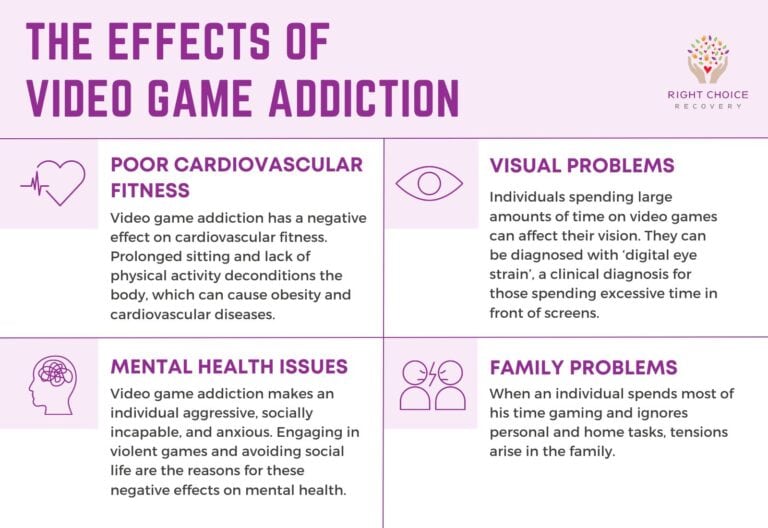
Excessive gaming brings several physical health risks. Prolonged sedentary behavior can lead to obesity, poor posture, and increased risk of cardiovascular issues. Repetitive strain injuries like carpal tunnel syndrome or "gamer's thumb" are common from continuous controller or keyboard use. Furthermore, blue light exposure from screens and late-night sessions severely disrupt sleep patterns, leading to chronic fatigue, headaches, and impaired cognitive function. Neglecting meals or opting for unhealthy snacks while gaming further impacts nutrition. Maintaining your physical "rig" is essential for long-term enjoyment, both in and out of games.
How Does Gaming Addiction Affect Mental Well-being and Emotional Stability?
The mental and emotional costs can be significant. Gaming addiction often correlates with increased anxiety, depression, and heightened irritability, particularly when access to games is limited. It can become an unhealthy coping mechanism, allowing players to escape real-world problems rather than confronting them, which hinders emotional development. The dopamine rushes from in-game achievements can create a reward loop that makes real-world accomplishments feel less satisfying, potentially leading to low self-esteem and a sense of unfulfillment outside the virtual world. For many adult gamers, this can exacerbate existing stress from work and family pressures.
In What Ways Can Problematic Gaming Damage Real-Life Relationships?
Problematic gaming directly strains real-life relationships by diverting time and attention away from loved ones. Partners, children, and friends often feel neglected as gaming sessions extend, leading to arguments, resentment, and a breakdown in communication. Important social events may be missed, and shared activities replaced by solitary gaming. While online social gaming is prevalent, excessive reliance on virtual connections can lead to isolation from physical social networks, eroding the foundational bonds of family and friendship. It's about finding that delicate balance between your digital crew and your real-world support system.
Can Gaming Addiction Negatively Impact My Career or Financial Situation?
Absolutely. For working adults, gaming addiction can manifest as decreased productivity, missed deadlines, or chronic lateness, ultimately jeopardizing job security and career progression. The constant preoccupation can lead to poor performance reviews or even job loss. Financially, excessive in-game purchases, loot boxes, and microtransactions can quickly accumulate, creating significant debt. Neglecting financial responsibilities in favor of gaming expenses is a serious red flag. Many gamers, even those on a budget, find these costs spiral, impacting their ability to save, pay bills, or manage household expenses effectively.
What Strategies Can I Implement to Regain Control Over My Gaming Habits?
Regaining control starts with intentional action. First, set strict time limits for gaming using timers or app blockers, and stick to them. Create a balanced schedule that prioritizes work, family, exercise, and other hobbies before gaming. Diversify your interests to reduce reliance on gaming for enjoyment and stress relief. Practice mindfulness during gaming sessions, asking yourself why you're playing and if it's truly fulfilling. Communicate openly with family about your gaming goals. If stress is a trigger, find healthier coping mechanisms. Remember, it's about making gaming a fun activity again, not a compulsive one.
Where Can I Find Support if I Feel My Gaming Habits Are Out of Control?
If you feel your gaming habits are spiraling, help is readily available. Start by talking to a trusted friend or family member about your concerns. For professional support, seek out therapists specializing in behavioral addictions; they can help identify underlying issues and develop coping strategies. Online resources like Game Quitters and local support groups can offer peer support and guidance. Don't hesitate to consult your primary care physician for referrals to mental health specialists. Recognizing the need for help is a sign of strength, and taking action is the most crucial step towards recovery and a balanced life.
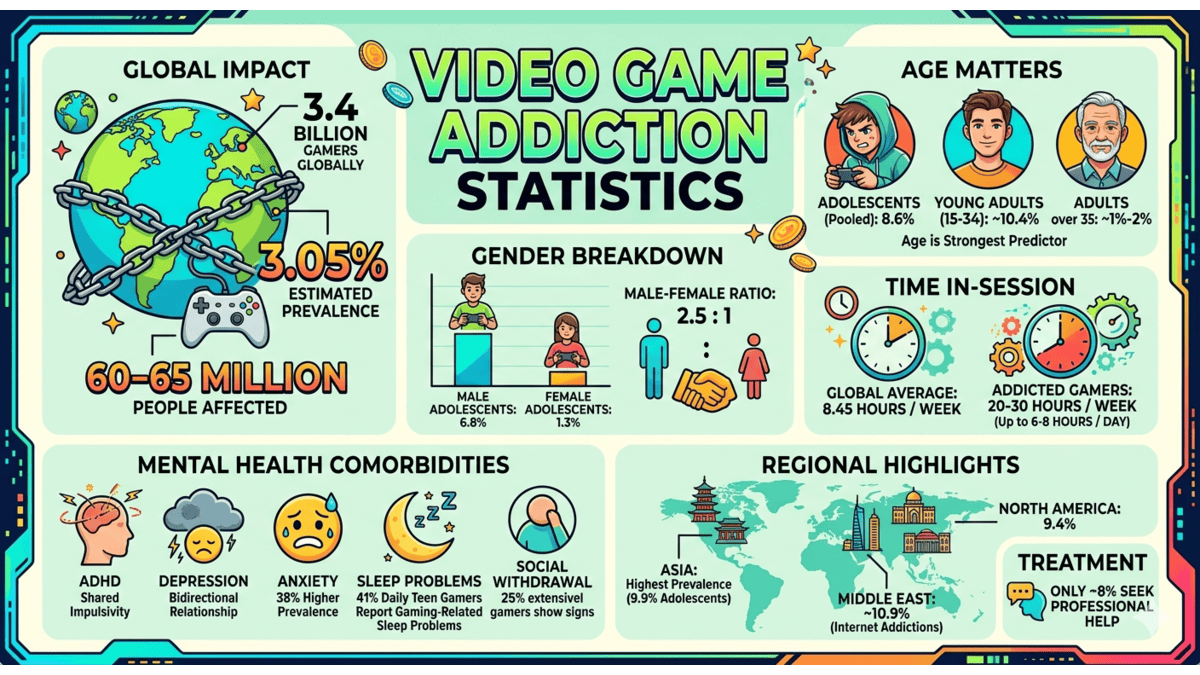
For the average US gamer, juggling a career, family, and personal life, gaming is often a cherished escape. It’s a place to unwind, connect with friends, master new skills, and even optimize performance, whether you're raiding in an MMORPG, competing in an FPS, or building a cozy farm in a simulator. With 87% of US gamers regularly engaging, often dedicating 10+ hours a week, gaming is deeply embedded in our culture, evolving with mobile dominance and rich social interactions. But what happens when that passion crosses a line? This month, as we see new titles drop and social gaming trends continue to soar, it's crucial to address a hidden challenge: why gaming addiction is bad and how it can subtly undermine the very relaxation and connection we seek.
Many gamers, particularly those in their 30s and 40s, might dismiss the idea of "gaming addiction," yet the World Health Organization recognizes Gaming Disorder. It's not about how much you play, but how gaming impacts your life. If you've found yourself struggling with late-night sessions, neglecting responsibilities, or feeling irritable when you can't play, you're not alone. This guide is crafted for you – the busy adult gamer who wants to keep gaming fun and healthy. We'll explore the tangible downsides of problematic gaming, backed by current insights, and equip you with practical strategies to maintain that crucial balance between virtual adventures and real-world success.
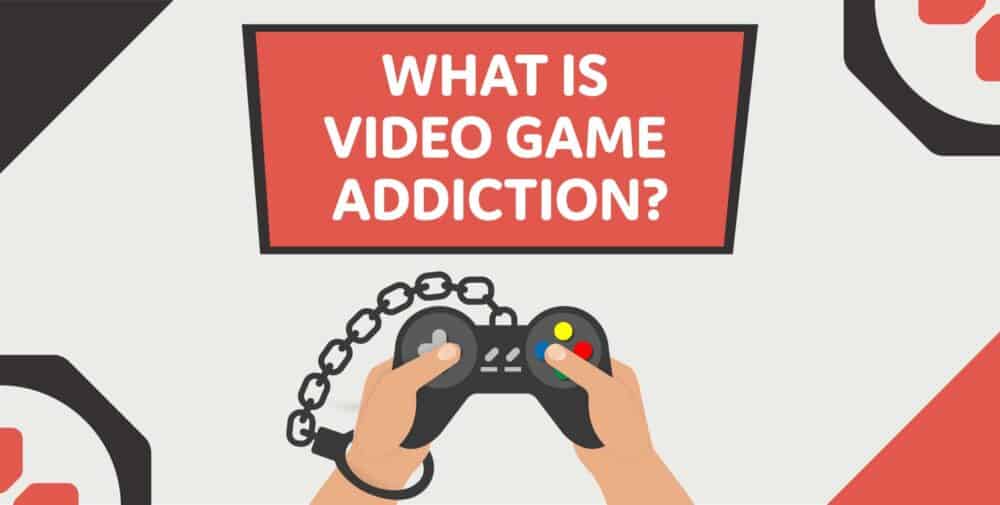
What Exactly is Gaming Addiction and Why is it Recognized as a Problem?
Gaming addiction, officially termed "Gaming Disorder" by the World Health Organization since 2018, is characterized by a pattern of gaming behavior ("digital-gaming" or "video-gaming") marked by impaired control over gaming, increasing priority given to gaming over other life interests and daily activities, and continuation or escalation of gaming despite the occurrence of negative consequences. It becomes a disorder when this pattern is sufficiently severe to result in significant impairment in personal, family, social, educational, occupational, or other important areas of functioning, and would normally have been evident for at least 12 months. This isn't about enjoying your hobby; it's about the hobby taking over your life in a detrimental way.
The recognition of Gaming Disorder highlights a critical shift in understanding the potential negative impacts of excessive digital engagement. For many US gamers, particularly those balancing demanding lives, identifying this line is crucial. It acknowledges that while gaming offers immense benefits like stress relief and social connection, its overuse can lead to serious real-world problems. The problem arises when gaming ceases to be a choice and becomes a compulsion, diminishing the joy and value it once brought.
How Does Excessive Gaming Impact Your Physical Health?
The physical toll of gaming addiction is often underestimated but can be significant. Prolonged periods of sedentary behavior directly contribute to issues like obesity, cardiovascular problems, and poor posture, leading to chronic back and neck pain. Many gamers, especially those logging 10+ hours weekly, often neglect physical activity, opting for quick, unhealthy meals, which exacerbates these health risks. Additionally, repetitive strain injuries (RSIs) like "gamer's thumb" or carpal tunnel syndrome are common due to intense, prolonged controller or keyboard use. Eye strain, headaches, and sleep disturbances from blue light exposure and late-night sessions are also prevalent. Studies this month continue to show a link between screen time and reduced sleep quality, a vital component for overall physical and mental recovery.
Maintaining physical health is paramount for sustained performance, both in-game and in life. Neglecting exercise and proper nutrition due to gaming not only impacts your body but also your energy levels and cognitive function. Regular breaks, ergonomic setups, and consistent physical activity are essential preventative measures. Think of it like this: your body is your ultimate rig, and it needs proper maintenance to run optimally. Ignoring these physical needs for prolonged gaming sessions ultimately degrades your ability to enjoy gaming or anything else.
What are the Mental and Emotional Costs of Gaming Addiction?
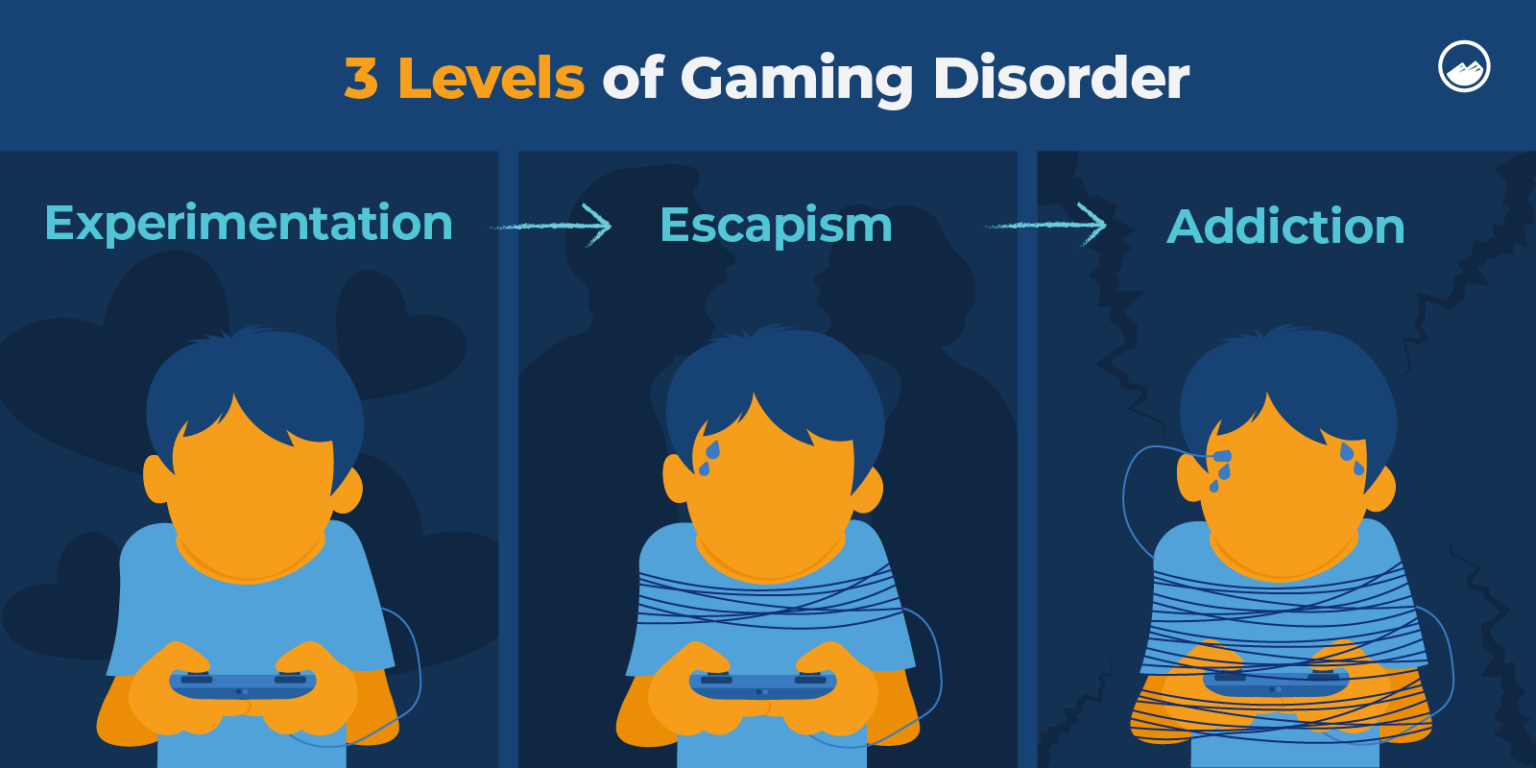
The mental and emotional consequences of gaming addiction can be profound, often manifesting as increased anxiety, depression, and irritability. When gaming becomes an escape mechanism from real-world problems rather than a form of entertainment, individuals can develop a cycle of reliance. The temporary dopamine hit from achievements or social interaction in games can mask underlying issues, preventing genuine emotional processing. This month's mental health discussions frequently highlight the importance of diverse coping mechanisms, and over-relying on gaming can limit one's ability to handle stress effectively outside the virtual world. When access to gaming is restricted, withdrawal symptoms like anger, sadness, or restlessness become common, indicating a deeper dependence.
Furthermore, gaming addiction can severely impact a gamer's self-esteem and sense of accomplishment. While in-game achievements are gratifying, they don't always translate to real-world growth. If an individual's primary source of validation comes from virtual successes, they may struggle with feelings of inadequacy in their job, relationships, or personal development. This can lead to a vicious cycle where they retreat further into gaming to avoid real-world challenges. For the average gamer aged 36, balancing these emotional landscapes is critical for sustained well-being and productivity.
Why Does Gaming Addiction Strain Relationships and Social Life?
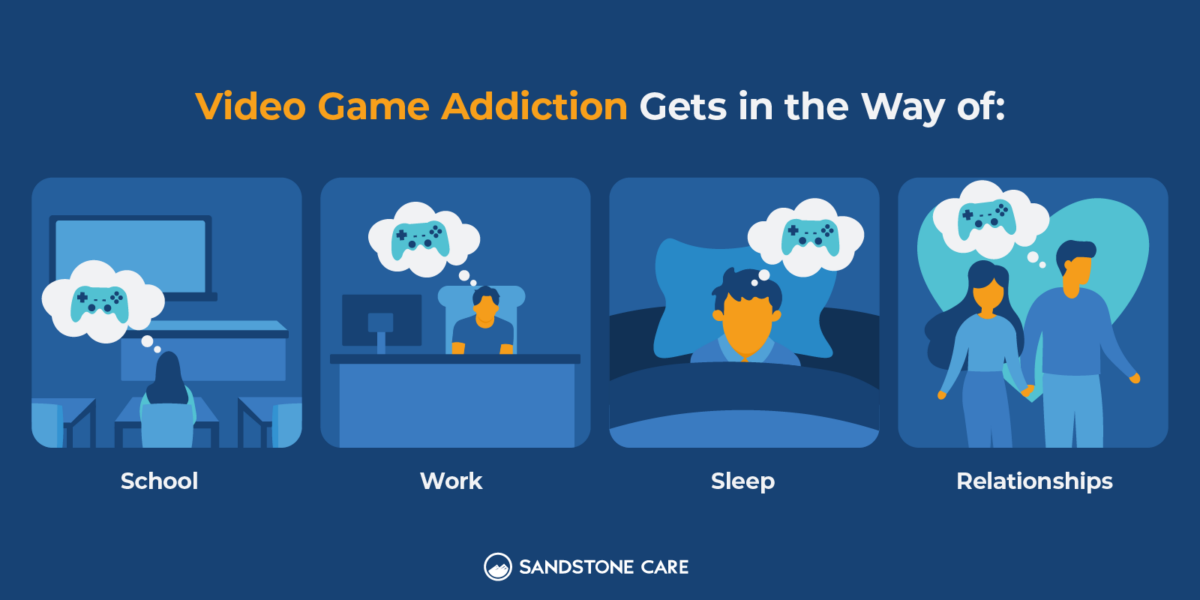
One of the most immediate and painful effects of gaming addiction is the deterioration of real-world relationships. As gaming hours escalate, time and attention naturally shift away from partners, family, and friends. Important events might be missed, conversations become neglected, and shared activities are replaced by solo gaming sessions. This can lead to feelings of resentment, isolation, and misunderstanding among loved ones. Many gamers aged 36 with families often grapple with the challenge of balancing their hobby with parental or spousal duties, and addiction pushes this balance to a breaking point, causing significant strain on household dynamics and marital satisfaction. Arguments over screen time and neglect become commonplace, eroding trust and intimacy.
While social gaming offers incredible opportunities for connection, particularly with the rise of cross-play and Discord communities, gaming addiction can paradoxically lead to real-world social isolation. Relationships formed online, while valuable, often lack the depth and support of in-person connections. When gaming dominates, offline friendships wither from neglect, and the individual may find it increasingly difficult to engage in face-to-face social interactions, preferring the controlled environment of virtual worlds. This month, trends show social gaming continues to thrive, emphasizing the importance of distinguishing healthy online connection from problematic escapism that sacrifices real-world bonds.
How Can Gaming Addiction Affect Your Work, Studies, or Finances?
The professional and financial repercussions of gaming addiction can be severe. For busy adults, showing up late to work, missing deadlines, or experiencing decreased productivity due to late-night gaming sessions are common indicators of a problem. Performance suffers, potentially leading to warnings, job loss, or missed career advancement opportunities. Students may see their grades plummet and academic goals unfulfilled. This decline isn't just about a lack of sleep; it's about a shift in priorities where gaming takes precedence over essential responsibilities. The consequences extend beyond individual performance to overall career stability and financial security.
Financially, gaming addiction can lead to reckless spending. This isn't just about the initial cost of games or hardware upgrades on a budget; it extends to excessive in-game purchases, loot boxes, and microtransactions, which are designed to be addictive and can accumulate rapidly. These purchases, coupled with potential job instability, can lead to significant debt. For instance, recent trends show mobile gaming, often free-to-play, still generates billions through in-app purchases, highlighting the ease with which costs can escalate. Balancing gaming with life means making smart financial choices, ensuring your entertainment budget doesn't derail your real-world financial health. Neglecting bills, maxing out credit cards for virtual items, or missing rent are critical warning signs.
Are Certain Game Types More Prone to Causing Addiction?
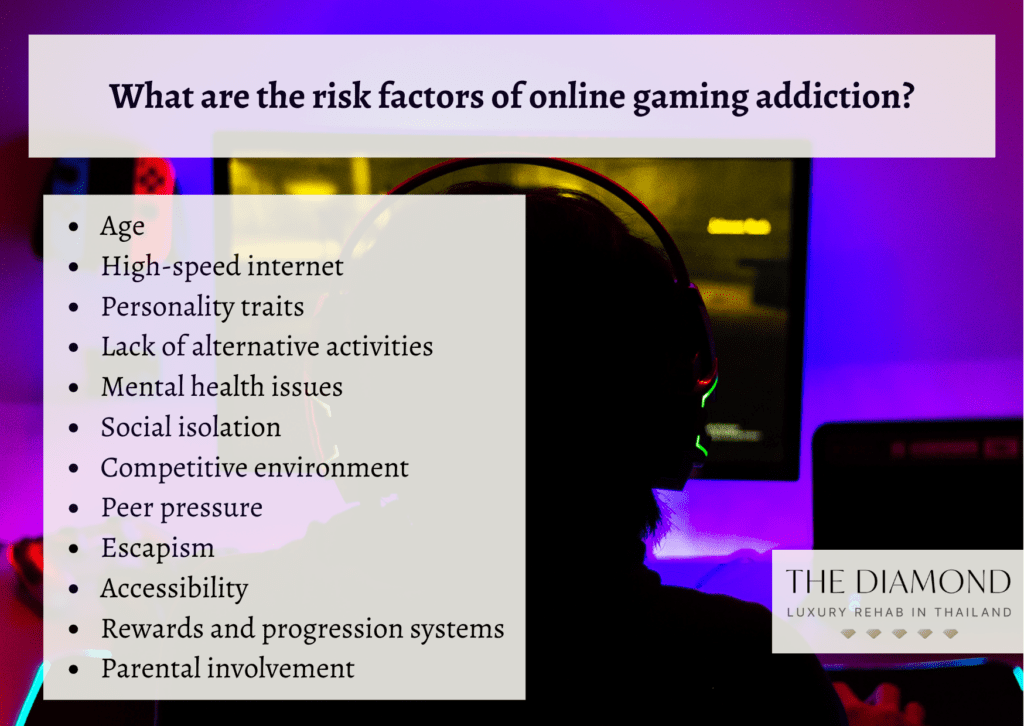
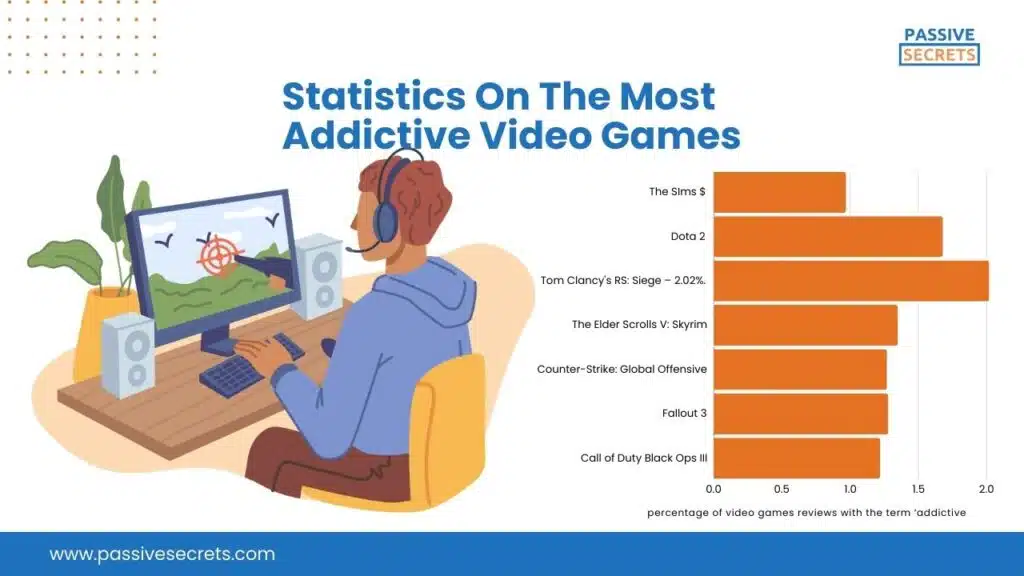
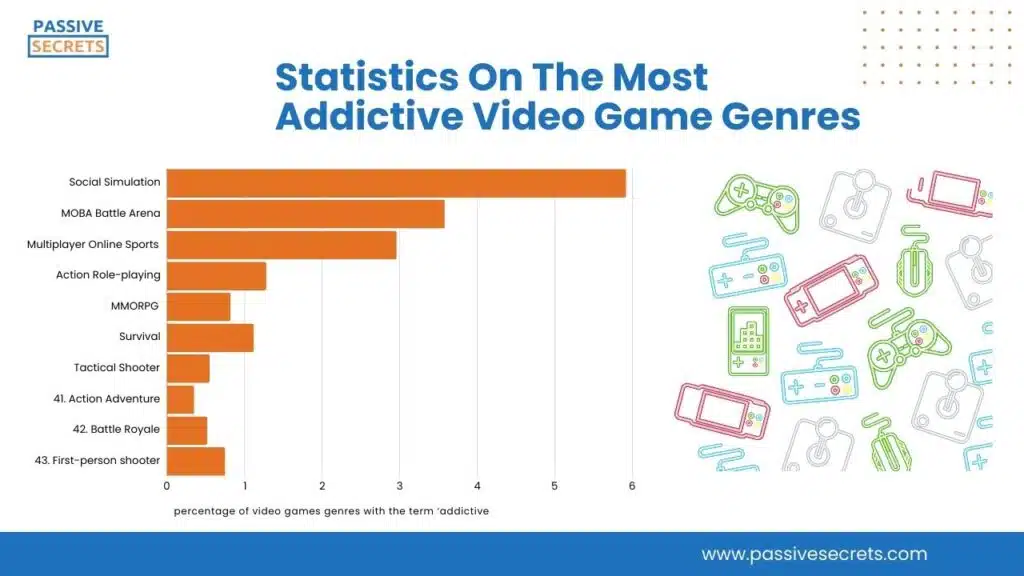
While any game can become problematic if played excessively, certain genres tend to possess characteristics that make them more inherently engaging and, for some, more conducive to addictive patterns. Massively Multiplayer Online Role-Playing Games (MMORPGs) like Final Fantasy XIV or World of Warcraft are frequently cited due to their endless progression systems, strong social components (guilds, raids), and persistent worlds that offer constant rewards and a sense of belonging. The "fear of missing out" (FOMO) on daily quests or limited-time events, a powerful psychological driver, is especially prevalent in these titles. Competitive online games (MOBAs, FPS) also pose a risk due to their high-stakes competition, the drive to rank up, and the immediate gratification of winning or making a highlight play. The average US gamer aged 36 often enjoys these genres for their skill-building and social aspects, making it crucial to recognize when the pursuit of performance crosses into unhealthy territory.
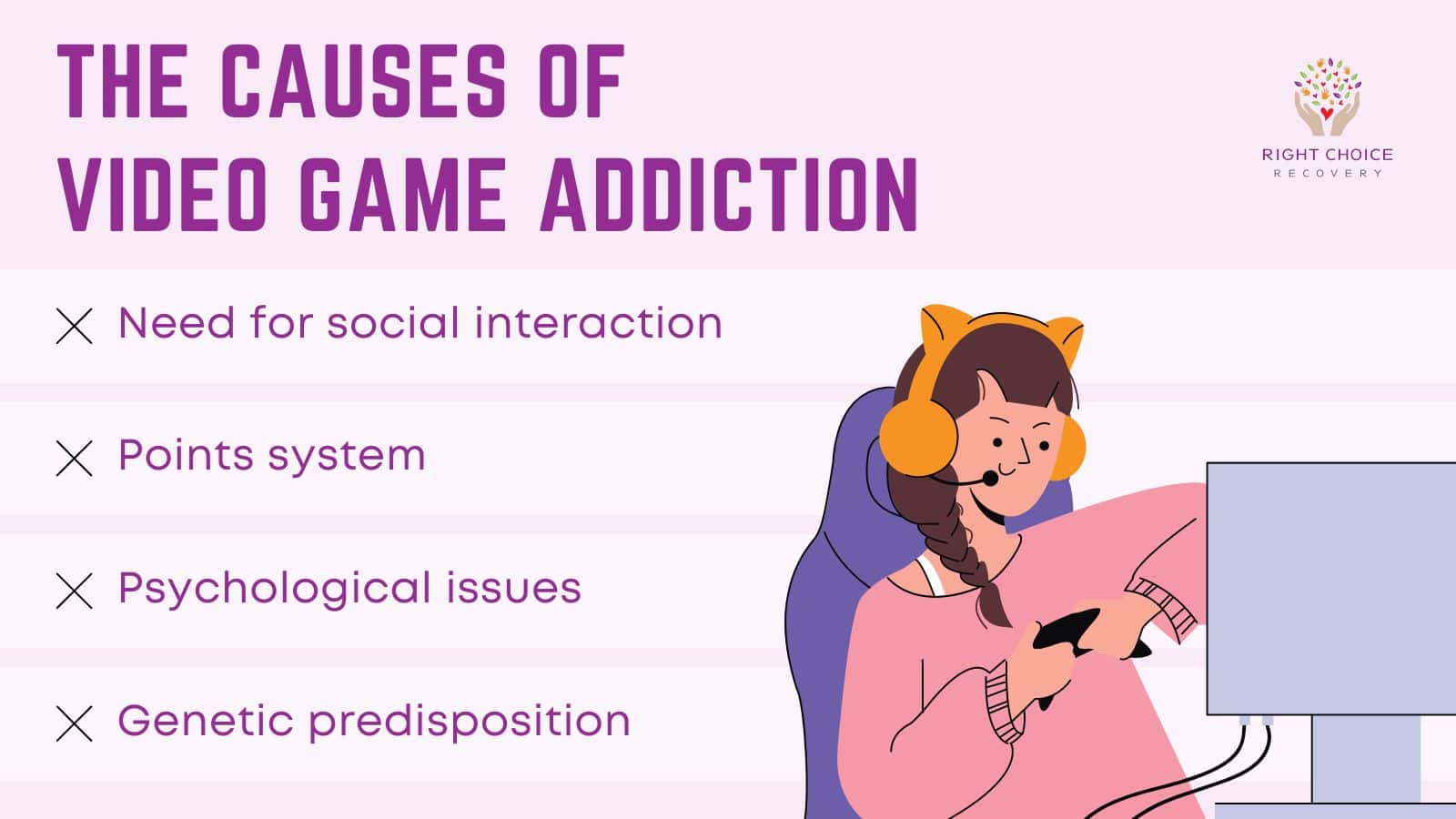
Moreover, games with variable reward schedules, where rewards are unpredictable but exciting, can create a powerful compulsion loop. Think of loot boxes or gacha mechanics in mobile games, which continue to dominate a significant portion of the gaming market. These systems tap into fundamental psychological principles of gambling, making them incredibly difficult to resist for some individuals. While developers design games to be engaging, players must be mindful of their own tendencies and how specific game mechanics might trigger problematic use, regardless of genre. Even cozy games, if used to escape all real-world responsibilities, can contribute to an unhealthy balance.
What Are the Warning Signs of Problematic Gaming Behavior?
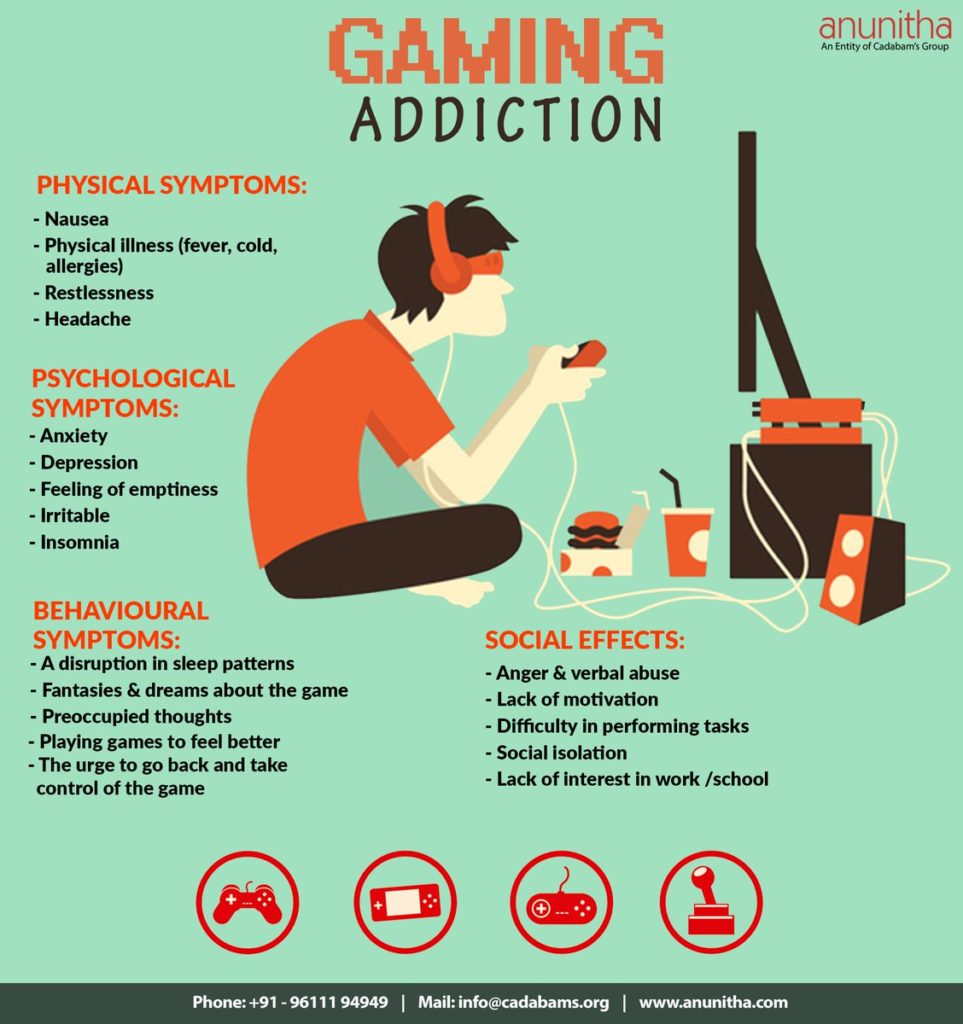
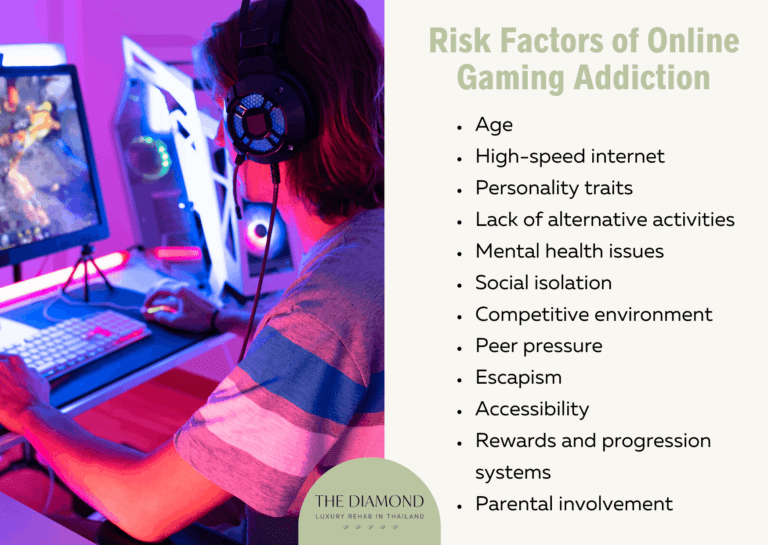
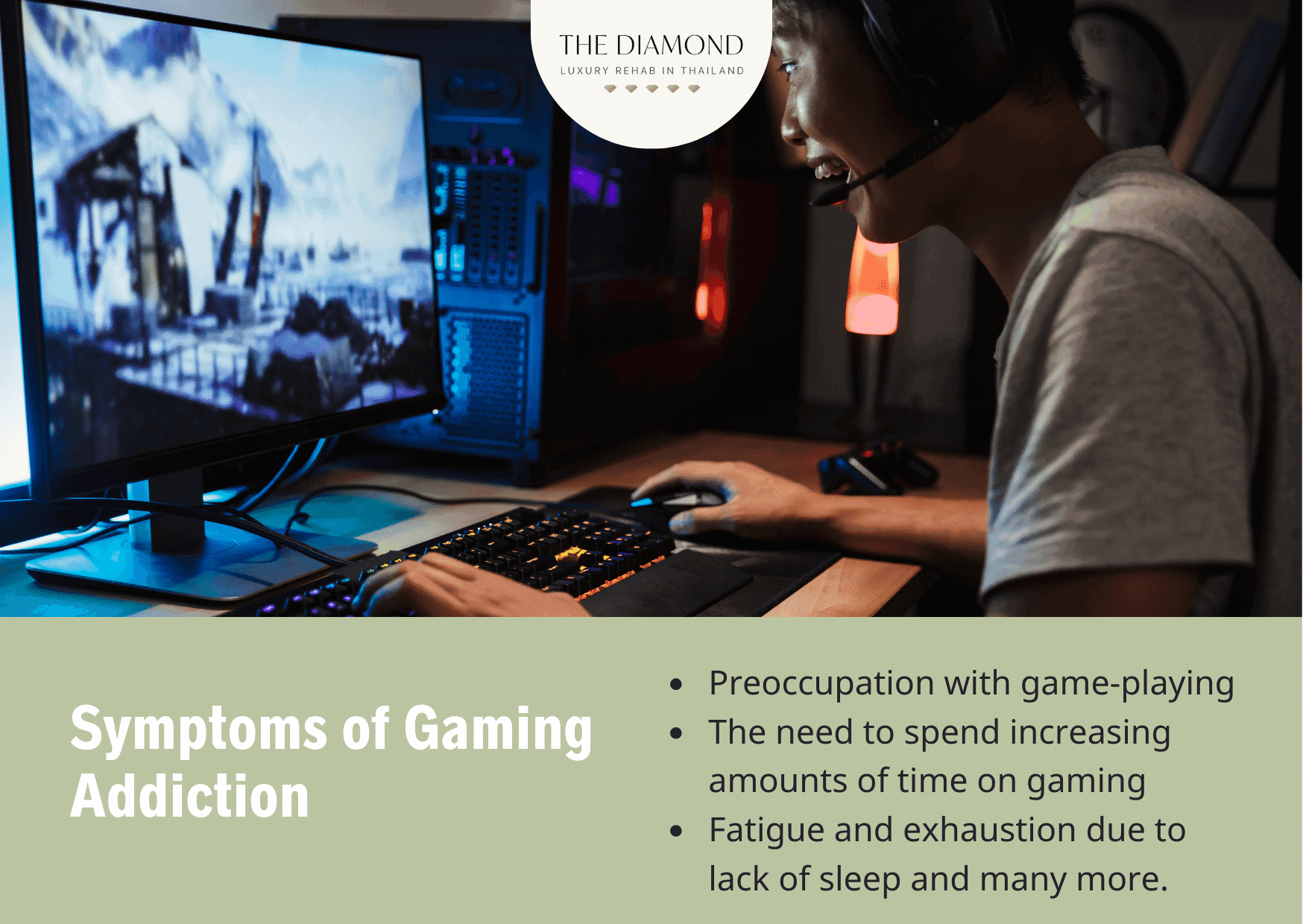
Recognizing the warning signs of problematic gaming is the first step toward addressing it. It's not always about the raw hours played, but the impact those hours have. Key indicators include preoccupation with gaming, where thoughts about past or future gaming sessions dominate one's mind. Another significant sign is tolerance, needing to increase gaming time to achieve the same level of satisfaction, much like substance dependence. Withdrawal symptoms, such as irritability, anxiety, or sadness when gaming is not possible, are strong indicators. Attempts to cut back on gaming that are consistently unsuccessful also point to a problem. Gamers often find themselves lying to family or friends about the extent of their gaming, suggesting shame or a desire to hide the behavior. Neglecting major life areas—work, school, hygiene, social activities—in favor of gaming is a critical red flag. Finally, continuing to game despite knowing it's causing problems in one's life is a definitive sign that a healthy hobby has become an unhealthy compulsion. The average US gamer, particularly those balancing multiple responsibilities, should periodically self-assess these areas to ensure their gaming remains a source of enjoyment, not distress.
Early identification of these signs is vital, especially for adults who are often adept at rationalizing their behaviors. It's easy to say "I'll just finish this quest" or "one more match," but when these instances become daily patterns leading to real-world detriment, it's time for an honest self-evaluation. Friends and family might also notice these changes, and their observations should be taken seriously. Addressing these signs proactively can prevent the problem from escalating into a full-blown addiction, helping you retain control and ensure gaming remains a positive aspect of your life rather than a destructive force.
How Can Gamers Maintain a Healthy Balance and Prevent Addiction?
Maintaining a healthy balance is key to enjoying gaming without falling into problematic patterns. First, establish clear boundaries and schedules for your gaming time. Use timers or built-in console limits to cap sessions, respecting your own rules. Integrate gaming into your life, rather than letting it consume it, by scheduling other activities first: work, family time, exercise, and hobbies. Prioritize real-world responsibilities and social interactions. For many US gamers around age 36, setting specific "gaming nights" or weekend slots can work wonders, allowing them to enjoy their hobby guilt-free while ensuring other duties are met. Regularly stepping away from the screen for short breaks can also mitigate physical strain and reset focus, especially during long sessions. This month, health experts continue to advocate for the 20-20-20 rule: every 20 minutes, look at something 20 feet away for 20 seconds, to reduce eye strain.
Secondly, diversify your leisure activities. Don't let gaming be your only source of entertainment or social connection. Explore new hobbies, engage in outdoor activities, read books, or pick up a sport. This reduces reliance on gaming for fulfillment and broadens your horizons. Connect with friends and family face-to-face regularly. If you find yourself consistently turning to gaming to escape problems, consider alternative coping mechanisms like exercise, meditation, or talking to a trusted friend. Finally, be mindful of in-game purchases and set strict budgets to avoid financial pitfalls. Remember, gaming should enhance your life, not diminish it. A balanced approach ensures gaming remains a rewarding and fun part of your routine.
When Should You Consider Seeking Professional Help for Gaming Habits?
Knowing when to seek professional help is a crucial step for many gamers struggling with problematic habits. If you've tried to cut back on gaming multiple times and consistently failed, or if your gaming is causing significant distress or impairment in important areas of your life – such as your job, relationships, health, or finances – it's time to consider professional intervention. This isn't a sign of weakness; it's a proactive step towards regaining control and improving your quality of life. Symptoms like severe withdrawal when unable to game, intense preoccupation, or consistently prioritizing gaming despite negative consequences are strong indicators that professional guidance could be beneficial. Many adults aged around 36 often hesitate to seek help, viewing gaming as a trivial issue, but the impacts can be as serious as any other behavioral addiction.
Don't wait until the situation is unbearable. Resources are available, from therapists specializing in behavioral addictions to support groups and online counseling services. A mental health professional can help identify underlying issues contributing to excessive gaming, develop personalized coping strategies, and provide a supportive environment for recovery. They can help you address concerns like anxiety, depression, or stress that might be fueling your gaming habits. Talking to someone unbiased and experienced can provide the objective perspective needed to navigate this challenge successfully, ensuring you can return to a healthy, enjoyable relationship with gaming, or find alternative fulfilling activities. Remember, seeking help is a sign of strength and a commitment to your overall well-being.
What Are the Benefits of Reducing Excessive Gaming for a Balanced Life?
Reducing excessive gaming opens up a world of benefits, transforming various aspects of your life. Physically, you'll likely experience improved sleep patterns, increased energy levels, and better physical health as you incorporate more activity and healthier eating habits. Mentally and emotionally, you can expect reduced anxiety and depression, greater emotional stability, and a stronger sense of self-worth derived from real-world achievements. Many gamers who successfully moderate their play report feeling more present, less irritable, and better equipped to handle daily stressors. This leads to a virtuous cycle where improved well-being fuels healthier choices, including more intentional and enjoyable gaming sessions, rather than compulsive ones. The average US gamer who finds this balance often reports a renewed appreciation for their hobby.
Socially, cutting back on excessive gaming revitalizes neglected relationships, fostering deeper connections with family and friends. You'll have more time and energy for face-to-face interactions, shared experiences, and strengthening personal bonds. Professionally and academically, focus and productivity will likely improve, leading to better performance, career advancement, and a stronger sense of accomplishment. Financially, reducing spending on games and in-game items can lead to significant savings, freeing up resources for other life goals or investments. Ultimately, achieving a healthy balance means reclaiming control, enriching your life with diverse experiences, and ensuring gaming remains a joyful, supplementary activity rather than a dominant, destructive force. It's about optimizing your entire life's performance, not just your K/D ratio.
Understanding why gaming addiction is bad is crucial for every gamer who values balance and well-being. From physical health degradation to strained relationships, and from mental health challenges to financial woes, the costs are real. But the good news is that recognizing these risks empowers you to take control. By setting boundaries, diversifying interests, and seeking help when needed, you can ensure gaming remains a positive, enriching part of your life. It’s about being mindful of how you play and ensuring your virtual adventures complement, rather than compromise, your real-world responsibilities and happiness. What's your biggest gaming challenge when it comes to balancing playtime? Comment below!
FAQ Section
Is Gaming Disorder a real medical condition?
Yes, the World Health Organization officially recognized Gaming Disorder as a mental health condition in 2018, included in the International Classification of Diseases (ICD-11).
Can mobile games lead to addiction?
Absolutely. Mobile games, especially free-to-play titles with microtransactions and variable reward systems, can be highly engaging and lead to problematic use, just like console or PC games.
What is the difference between passionate gaming and addiction?
Passion means you control your gaming; addiction means gaming controls you. Addiction involves negative consequences, impaired control, and prioritizing gaming despite those issues.
How much gaming is considered too much?
There's no magic number of hours. "Too much" is defined by the negative impact gaming has on your physical health, mental well-being, relationships, work, or finances, regardless of session length.
Are there resources for families dealing with gaming addiction?
Yes, many organizations offer support for families, including educational materials, counseling referrals, and support groups specifically addressing concerns related to problematic gaming behavior.
Does gaming addiction only affect young people?
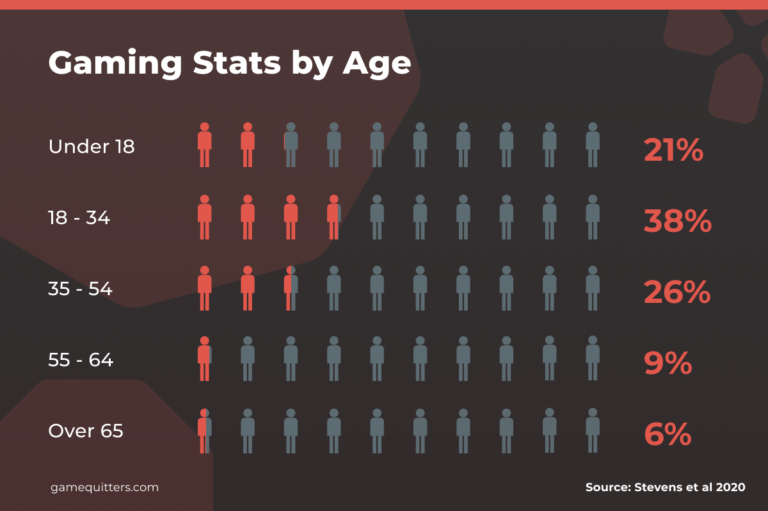
No, gaming addiction can affect individuals of all ages, including adults in their 30s, 40s, and beyond, especially those who use gaming as a primary coping mechanism or escape from daily stressors.
Recognize gaming addiction signs, understand health impacts, protect relationships, balance life, seek support, and maintain healthy gaming habits for overall well-being.
35
30 Video Game Addiction Statistics Video Game Addiction Infographic . Health Effects Of Too Much Gaming At Gerald Tapia Blog 963x1024 . Why Is Gaming Addiction Bad For Your Life Balance The Risk Factors Of Online Gaming Addiction 1024x726 . Video Game Addiction Statistics 2026 Video Game Addiction Statistics 2026 . Why Is Gaming Addiction Bad For Your Life Balance The Causes Of Video Game Addiction



Why Is Gaming Addiction Bad For Your Life Balance What Is Video Game Addiction 1 . Online Gaming Addiction Signs Risk Factors And Treatment The Risk Factors Of Online Gaming Addiction 768x545 . Gaming Statistics 2025 Mobile PC Console Trends Video Game Addiction Statistics 2025 . Internet Gaming Video Gaming Addiction A Case Observation What Is Internet Gaming Video Gaming Addiction . Xbox Lawsuit For Video Game Addiction June 2026 Update King Law What Is Video Game


Online Gaming Addiction Definition Symptoms Causes Effects And Effects Of Online Gaming Addiction Internet Gaming Disorder 1536x1314 . GAMING ADDICTION Is A MENTAL DISORDER Dude Soup Podcast 180 YouTube . Video Game Addiction 11 Signs Symptoms Treatments Video Game Addiciton Graphics 01 Addiction Happens When Gaming Negatively Impacts 1536x768 . Online Gaming Addiction Signs Risk Factors And Treatment The Signs Of Online Gaming Addiction 1536x1090 . Global Gaming Addiction Statistics 2025 Global Gaming Addiction Statistics 2025

Video Game Addiction Definition Symptoms Causes Effects And Treatment The Causes Of Video Game Addiction 1024x480 . Video Game Addiction Symptoms Causes And Treatment The Effects Of Video Game Addiction 1 768x528 . Why Teenager S Gaming Addiction Can And Can T Be A Hobby . Video Game Addiction Statistics 2026 Icon Era Statistics Video Game Addiction Statistics 2025. Video Game Addiction Treatment Symptoms And Causes 15 20 20 Scaled


Video Game Addiction 11 Signs Symptoms And Treatments Video Game Addiciton Graphics 03 Video Game Addiction Gets In The Way Of 1200x600 . How To Overcome Video Game Addiction 2026 7 Proven Steps Featured Image 93g4l3no . 50 Helpful Video Game Addiction Statistics Facts In 2026 Statistics On The Most Addictive Video Games 1024x576 .webp. Video Game Addiction Statistics 2026 Latest Research The Small Video Game Addiction Statistics 768x512 . Video Game Addiction 11 Signs Symptoms And Treatments Video Game Addiciton Graphics 04 The Three Levels Of Gaming Disorder 1536x768

50 Helpful Video Game Addiction Statistics Facts In 2026 Statistics On The Most Addictive Video Game Genres 1024x576 .webp. Gaming Addiction Signs Symptoms And Treatments The Diamond Rehab Symptoms Of Gaming Addiction . Is Gaming Addictive What You Need To Know Gaming Stats By Age 768x511 . 25 Technology Addiction Statistics Facts Trends 2026 Top 6 Technology Addiction Statistics 1007x1024 . Gaming Addiction Why It S And What Clinicians Actually Pexels Rdne 7915281 1536x1024


EA Games Lawsuit For Addiction And Mental Harm 2026 Update Long Term Effects Of Gaming Addiction And EA Games 768x432 . Video Game Addiction Symptoms Causes And Treatment Video Game Addiction Definition Symptoms Causes Effects And Treatment 1024x576 . EA Games Lawsuit For Addiction And Mental Harm 2026 Update How Video Game Addiction Develops EAs Role And Game Design 1536x864 . Gambling Addiction Definition Causes Effects And Treatment The Causes Of Gambling Addiction 1536x864 . Gaming Addiction Which Kids Are Targeted First Victims Of Gaming Addiction Who Is Really At Risk.webp